Pet hair is more than just a nuisance. It can wreck your washing machine when wet, clumping together and sticking to drum walls, clogging drain pumps, and transferring onto clean clothes. According to appliance experts like Randy Radtke of Speed Queen, “Once water hits pet hair, it becomes exponentially harder to remove.” This means your regular wash cycle alone won’t solve the problem. You need a three-phase strategy: prevent hair from getting wet, trap loose hair during the wash, and deep clean your machine regularly.
This guide gives you a step-by-step, expert-backed plan to eliminate pet hair from your laundry system. You’ll learn how to use everyday items like sponges and dryer sheets as hair magnets, safely deep-clean seals and filters, and optimize every stage of washing and drying. Follow these methods, and you’ll protect your machine, save time, and finally get truly clean laundry.
Remove Hair Before Washing

Dry Removal Beats Wet Cleanup
Trying to wash away pet hair after it is wet is fighting a losing battle. Once saturated, hair clings stubbornly to fabric and machine parts. Removing it while dry is faster, easier, and far more effective. Start every laundry session with a quick pre-treatment to strip away as much hair as possible before the machine ever turns on.
Use Lint Rollers or Tape
For clothes, blankets, or pet beds covered in loose fur, grab a lint roller. Roll it firmly over the surface to lift hair efficiently. No lint roller? Wrap duct tape or masking tape around your hand with sticky side out, then press it onto fabrics. Peel and repeat. This low-cost trick works especially well on upholstery and thick bedding.
Try Rubber Gloves for Embedded Hair
Put on a pair of dry rubber gloves or pull a rubber sock over your hand. Lightly dampen the surface, then run your hand across sheets or blankets. The rubber creates friction and static, causing hair to ball up and stick to your palm. Wipe the gathered hair into a trash can. This method excels at pulling deeply embedded fur from plush fabrics.
Vacuum Heavy-Hair Items First
Pet beds, couch covers, or heavily shed-on items should be vacuumed before washing. Use a vacuum with a brush attachment or a pet-specific model to suck up maximum hair. Focus on seams and folds where fur accumulates. This step drastically reduces the load your washing machine has to handle.
Run a Pre-Wash Air Fluff Cycle
For stubborn cases, place dry, hairy items in the dryer on the Air Fluff or No Heat setting for 10 minutes. Toss in a dryer sheet to reduce static. The tumbling action loosens hair from fibers. After the cycle, shake the items outside or over a trash can to dislodge clumps. Always clean the lint filter immediately afterward, as it will be packed with hair.
Trap Hair During the Wash
Add Vinegar to the Rinse Cycle
Pour half a cup of distilled white vinegar into the rinse compartment or directly into the drum. Vinegar acts as a natural fabric softener, breaking the static bond that holds hair to clothes. This helps hair rinse away instead of redepositing.
⚠️ Warning: Check your owner is manual first. Brands like Whirlpool advise against regular vinegar use, as it may damage rubber seals or hoses over time.
Boost With Baking Soda
Add one cup of baking soda to the wash drum along with your detergent. Baking soda helps break up clumps of hair and dander while neutralizing odors. Some detergents like ARM & HAMMER already contain baking soda for this purpose.
Use Fabric Softener or Dryer Sheets
Liquid fabric softener or dryer sheets reduce static cling, the main reason pet hair sticks to clothes. Adding one to the wash or dryer cycle ensures hair stays loose and gets captured by filters instead of reattaching to fabric.
Use Enzymatic Detergents
Choose a liquid detergent with multiple enzymes. These break down organic residues like dander and oils that help hair cling to fibers. Enzymatic formulas are especially effective on pet bedding and accident-soaked items.
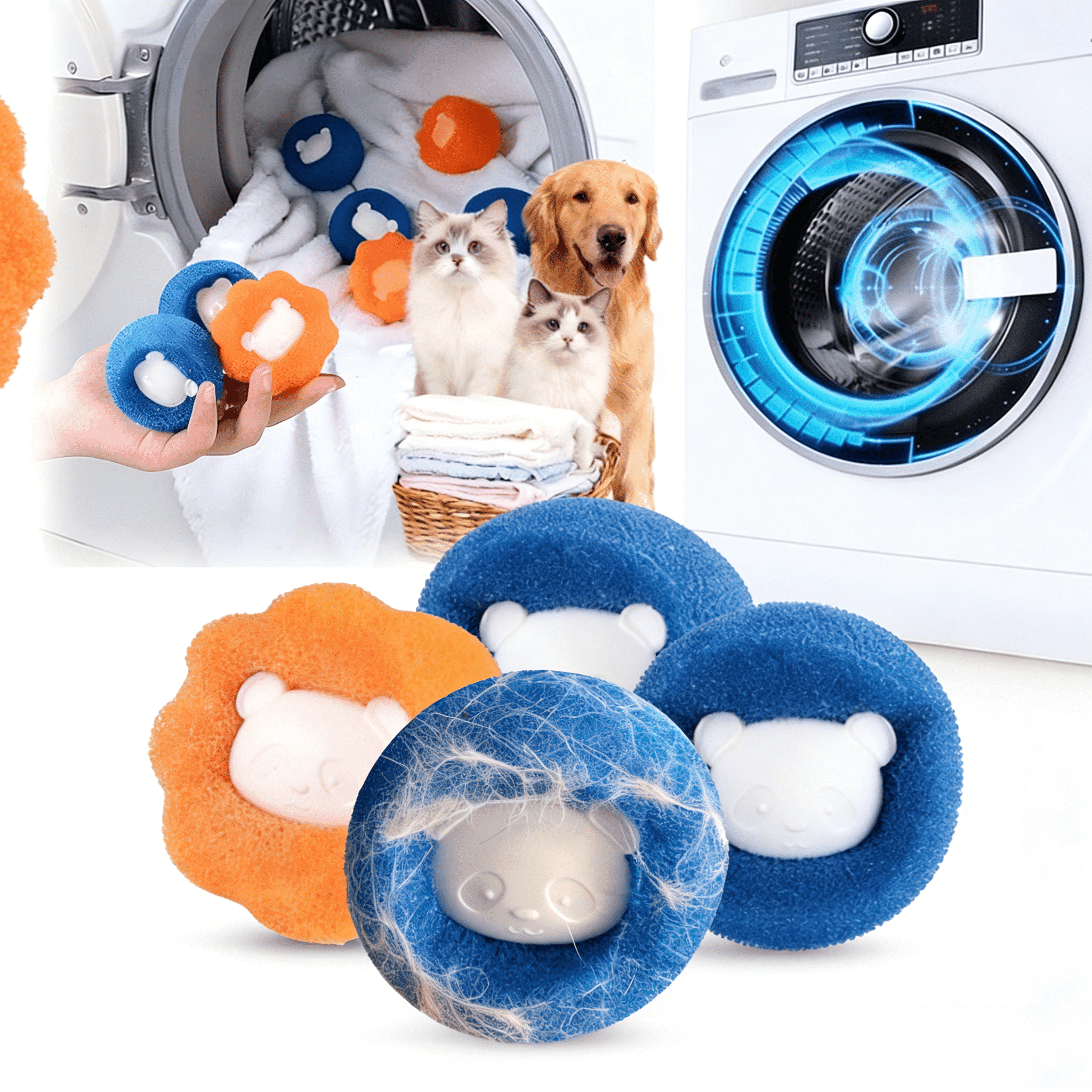
Add Hair-Trapping Hacks to the Drum
Several household items act as mechanical traps during the wash cycle.
• Kitchen sponges: Toss in one to two clean, unused sponges. Their porous texture grabs loose hair.
• Plastic hair curlers: Add three to five non-heated curlers. Their ridged surface attracts fur.
• Antibacterial wipes: Drop in one to three wipes like Clorox or Lysol. Their non-woven fabric traps hair.
⚠️ Critical: All these items must be used at water temperatures below 40°C (104°F) to prevent melting or disintegration.
Deep Clean the Washing Machine
Clean Every One to Two Months
Even with preventive steps, hair builds up in hidden areas. Perform a full machine cleaning every one to two months, or immediately if you notice hair on clean clothes. Skipping this leads to clogs, odors, and reduced efficiency.
Vacuum the Drum and Seal
Before running any cycle, leave the door or lid open overnight to dry out the drum. Moisture makes hair stick. Then use a vacuum with a brush attachment to remove loose lint from the drum walls, the detergent dispenser, the rubber door seal (gasket), and any crevices. Pull back the folds of the gasket, as hair hides deep inside.
Clean the Drain Pump Filter
This is the number one clog point for pet hair.
- Locate the filter (usually behind a small panel on front-loaders; check your manual).
- Place a towel underneath to catch water.
- Unscrew and remove the filter.
- Pull out all hair, gunk, and debris by hand.
- Rinse under warm water and reinstall securely.
Repeat every few months or if drainage slows.
Run a Vinegar and Baking Soda Cycle
This deep-clean combo dissolves residue and breaks up hair clumps.
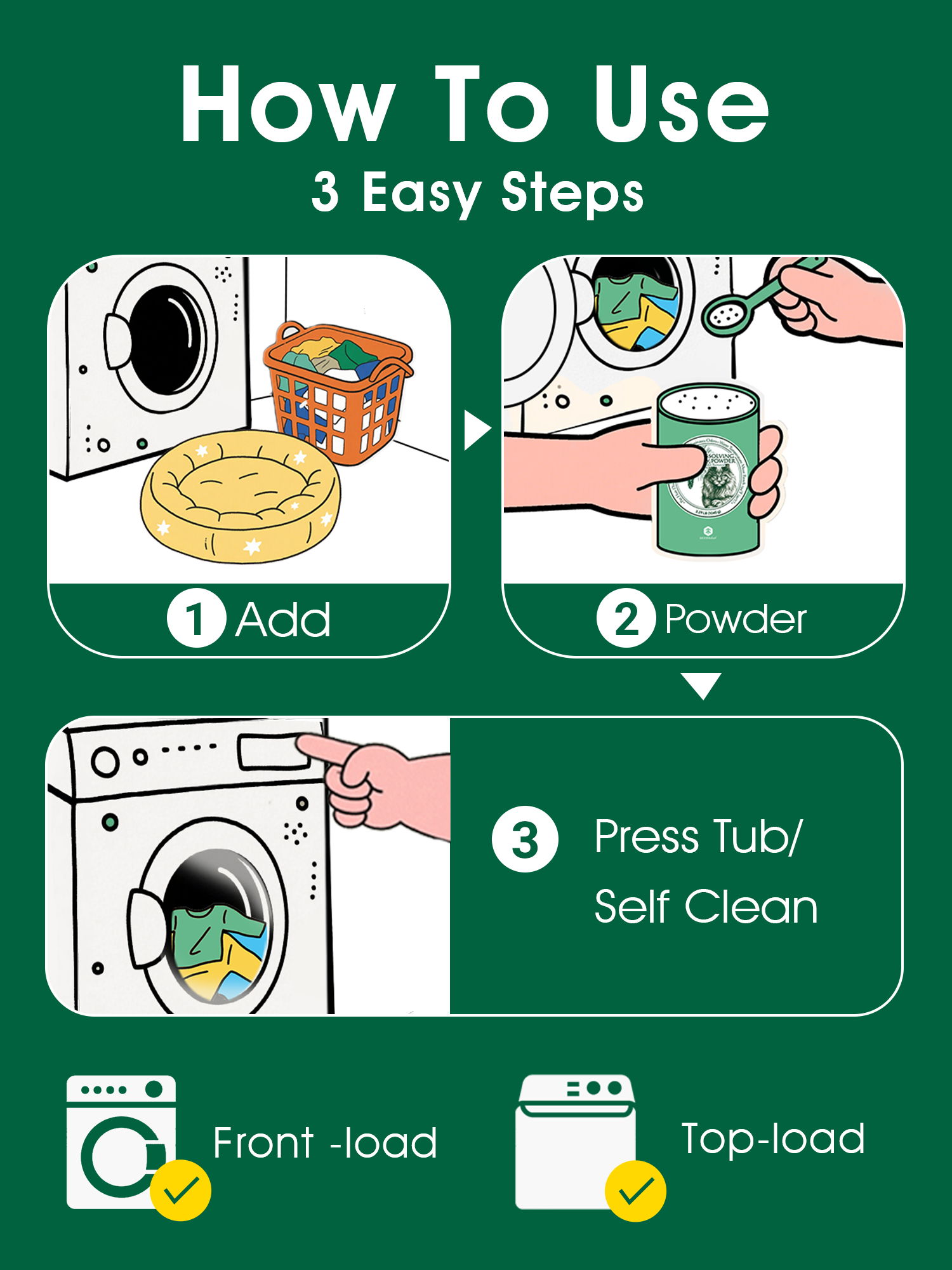
- Fill the drum with hot water using the hottest cycle.
- Add two cups white vinegar and half a cup baking soda directly into the drum.
- Run a full normal or self-clean cycle with no laundry.
This sanitizes the drum and loosens trapped debris.
Wipe Down Seals and Dispensers
Mix one gallon warm water plus a quarter cup vinegar in a bucket. Dip a microfiber cloth or old toothbrush into the solution and scrub the entire rubber gasket, detergent and softener trays, drum edges, and crevices. Use the toothbrush to dig hair out of gasket folds, as this area is a major hideout.
Finish With a Rinse Cycle
After the cleaning cycle, run one more empty hot water cycle with no additives. This flushes out loosened debris and leftover vinegar. Wipe the drum with a lint roller or damp towel afterward to catch any final strays.
Optimize the Drying Process

Reduce Static With Dryer Balls
Toss in wool dryer balls or tennis balls to agitate clothes and break up hair clumps. They also reduce drying time and soften fabrics naturally. Add dryer sheets formulated for pet owners like Snuggle SuperFresh to neutralize static that pulls hair back onto clothes.
Clean the Lint Trap Every Time
For pet owners, clean the lint filter before every load. If drying a heavy item like a pet bed, check and clean it midway through the cycle. A clogged filter reduces airflow and lets hair escape back into the drum.
Maintain the Dryer Vent
Pet hair can clog the dryer duct, creating a fire hazard and lengthening drying times. Clean the entire vent line annually, or more often if you notice slow drying or overheating. Disconnect the hose and vacuum out lint buildup.
Shake Clothes After Drying
Once the cycle ends, give each item a firm shake before folding. This dislodges any remaining loose hairs that survived washing and drying.
Choose Pet-Friendly Machines and Tools
Consider Washers With Pet Cycles
Some models offer Pet Hair or Allergen cycles designed to remove more fur. Maytag Pet Pro features a hair-catching baffle, but Consumer Reports found it uses more water and time without outperforming standard heavy-duty cycles. Top models include Electrolux ELFW7626BW, Samsung WW25FG6B34BEA2, Miele WWD660WCS, and Speed Queen FF7012WN. While helpful, these cycles work best when combined with pre-treatment and maintenance.
Use Aftermarket Pet Hair Solutions
• Uproot Washing Machine Cleaner: A specialized cleaner designed to dissolve hair and grime in drums and filters.
• Pet-specific dryer sheets: Brands like Uproot and Snuggle offer sheets that reduce static and trap more hair.
• Mesh laundry bags: Place small, hairy items in mesh bags to contain shedding during the wash.
Troubleshoot Common Problems
Hair Still on Clean Clothes?
If clothes come out fuzzy, check these items.
- The drain pump filter may be clogged.
- Verify you used the Air Fluff pre-dry step.
- Ensure the door seal was scrubbed, as hair hides in gasket folds.
- Avoid static-prone fabrics like fleece, and use extra softener if needed.
Machine Not Draining?
This usually means a clogged drain pump. Symptoms include standing water, error codes, or loud grinding. Clean the filter immediately. If the blockage persists, a technician may need to clear the internal drain hose.
Dealing With Urine or Stains?
Pet accidents often come with hair issues. For stained items, pretreat with baking soda or an enzymatic cleaner like ARM & HAMMER Pet Stain and Odor Eliminator. Soak in warm water plus baking soda for 15 minutes before washing.
⚠️ Never use enzymes on wool, silk, or leather without testing first.
Prevent Hair Buildup Long-Term
Groom Pets Regularly
Brush your pet daily to remove loose fur before it lands on furniture and clothes. Regular grooming cuts shedding by up to 80% and reduces laundry stress.
Limit Pet Access to Key Areas
Use crates or designate pet-free zones like bedrooms to contain shedding. Fewer areas to clean means less hair in your laundry rotation.
Use Washable Furniture Covers
Drape couches and pet beds with removable, machine-washable covers. Wash them weekly to stay ahead of hair buildup. Microfiber and denim are ideal, as they resist clinging.
Wear Pet-Resistant Clothing
Avoid fleece, wool, and velcro-like fabrics when spending time with shedding pets. Stick to cotton, silk, or microfiber. These materials attract less hair and are easier to clean.
Frequently Asked Questions About Cleaning Pet Hair from Washing Machines
Does vinegar damage washing machine seals?
Vinegar can damage rubber seals and hoses in some machine brands. Whirlpool specifically advises against regular vinegar use. Always check your owner is manual before using vinegar as a cleaning agent.
How often should I deep clean my washing machine with pet hair?
Deep clean your machine every one to two months. If you notice hair transferring onto clean clothes or experience drainage problems, clean immediately regardless of schedule.
Can I use plastic hair curlers in the wash?
Yes, but only with water temperatures at or below 40°C (104°F). Higher temperatures will melt or deform the plastic, creating a mess in your machine.
Why does pet hair stick to clothes after washing?
Pet hair sticks due to static electricity. Use fabric softener, dryer sheets, or vinegar in the rinse cycle to reduce static. Also ensure your drain pump filter is not clogged, as this affects water removal and hair capture.
What is the best way to clean the drain pump filter?
Locate the filter behind a small access panel on front-loaders. Place a towel underneath, unscrew the filter, and manually remove all hair and debris. Rinse under warm water and reinstall securely.
Do pet-specific washing machine cycles actually work?
Specialized cycles like Maytag Pet Pro exist, but Consumer Reports testing shows they do not outperform standard heavy-duty cycles. They work best as a supplement to pre-treatment and regular maintenance.
Key Takeaways for Removing Pet Hair from Your Washing Machine
Pet hair does not have to ruin your laundry routine. By removing hair before it gets wet, using smart in-wash traps like sponges or vinegar, and deep cleaning your machine monthly, you will keep your washer running smoothly and your clothes truly clean.
The most critical steps are pre-wash removal using lint rollers or the Air Fluff method, adding vinegar or fabric softener during the wash to reduce static, and cleaning the drain pump filter every few months. Combine these steps with daily pet grooming and proper drying habits, and you will finally win the battle against pet fur.