A clean Miele washing machine isn’t essential for fresh-smelling laundry. It’s also vital for maintaining the appliance’s performance, preventing costly repairs, and extending its lifespan. Even premium machines like Miele washers accumulate detergent residue, mold, and mineral scale over time, leading to musty odors, reduced cleaning power, and potential mechanical failures. The good news is that with a consistent maintenance routine, you can keep your Miele running like new. This comprehensive guide covers every critical step, from running the high-temperature maintenance cycle to cleaning the hidden drain filter and establishing daily habits that prevent buildup before it starts.
Run the Miele Clean Machine Cycle
Activate the 90°C Maintenance Program
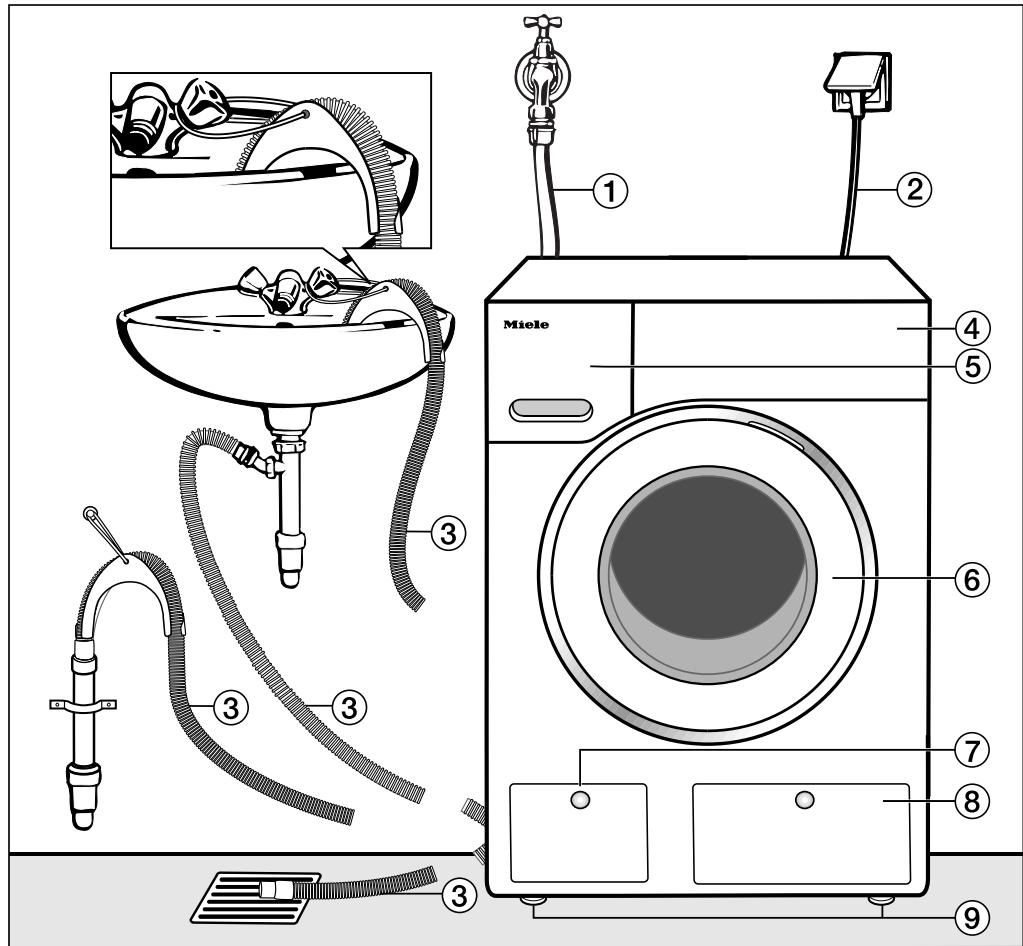
Miele washing machines include a built-in maintenance cycle designed to sanitize internal components. This program, often labeled as “Sanitary” or a high-temperature cotton wash, reaches 90°C (194°F) to dissolve grease, kill bacteria, and flush residue from hoses and the dispenser. To use it correctly, ensure the drum is completely empty and avoid selecting “Short” or “Quick” options, as these reduce temperature and duration, making the cycle ineffective. Let the full program complete, which typically takes 2 to 3 hours and includes a steam phase in the final 30 minutes to deep-clean the detergent drawer chamber.
Use Approved Cleaning Agents in the Drum
For maximum effectiveness, add a cleaning agent directly into the drum rather than the detergent drawer. Miele IntenseClean Machine Cleaner is specially formulated for this purpose and highly recommended. As an alternative, use a universal powder detergent containing oxygen bleach (sodium carbonate peroxide) and TAED, which activates at high temperatures to break down organic grime. Avoid chlorine bleach, as it can corrode internal parts. Some users enhance descaling by adding 1 to 2 tablespoons of citric acid alongside the cleaner, especially in hard water areas. Never use vinegar or undiluted acids routinely, as they may degrade rubber seals over time.
Schedule Cleaning Every 1 to 3 Months
Run the Clean Machine cycle every 1 to 3 months, depending on usage and water hardness. Homes with soft water and regular hot washes may extend to quarterly cleaning, while hard water regions benefit from cleaning every 6 to 8 weeks. If you wash daily or use liquid detergent and fabric softener, stick to a monthly schedule. Some Miele models automatically prompt you when a cleaning cycle is due, based on usage algorithms. Ignoring this alert increases the risk of odor and reduced efficiency.
Clean the Detergent Drawer
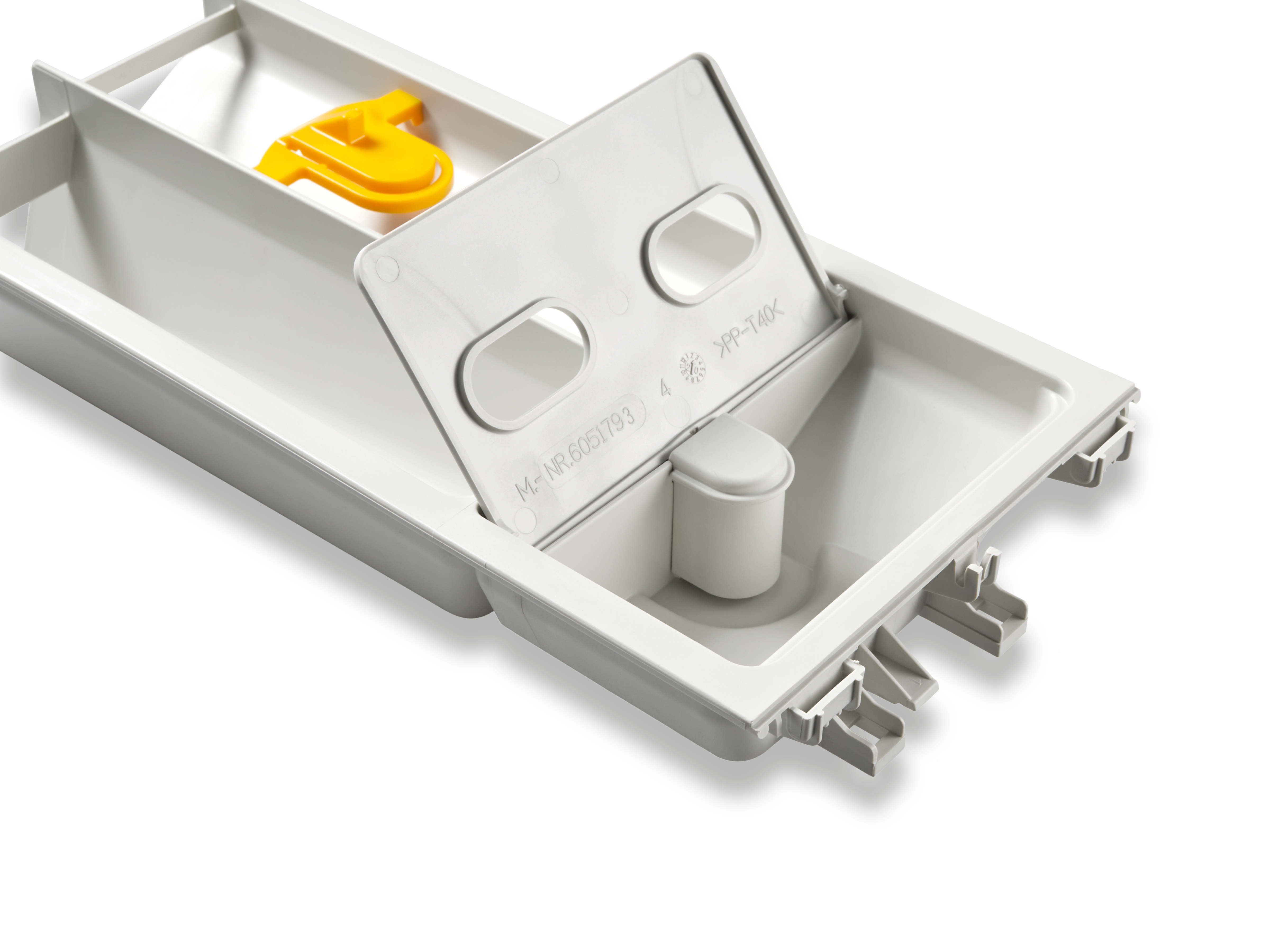
Remove and Disassemble the Dispenser
The detergent drawer is a hotspot for sludge and mold, especially where fabric softener accumulates. Pull the drawer out until it stops, then press the release tab or lift slightly to detach it completely. On models with multiple compartments (pre-wash, main wash, softener), remove any inserts for full access. Do not force it if it resists; consult your model’s manual. Once removed, inspect for clogs or sticky residue, particularly in the softener chamber, which often traps congealed liquids.
Soak and Scrub with Safe Solutions
For routine cleaning, soak the drawer in warm water and mild dish soap for 10 minutes. For stubborn buildup, use a warm vinegar-water solution (1:1 ratio) or a citric acid mix. Avoid harsh abrasives. Use a soft brush or old toothbrush to scrub crevices, paying attention to the backside and corners where moisture hides. Never use bleach-based cleaners, as they can discolor plastic components. Rinse thoroughly under running water to remove all loosened residue.
Dry Fully Before Reinserting
After cleaning, dry every part completely with a clean towel and allow it to air-dry for at least 15 minutes. Reinserting a damp drawer reintroduces moisture, encouraging immediate mold regrowth. Wipe the drawer cavity inside the machine with a dry cloth to remove any hidden moisture or grime. Reassemble all inserts and slide the drawer back in until it clicks securely.
Wipe the Door Seal and Drum
Remove Debris from the Gasket
The rubber door seal (or boot) traps lint, hair, coins, and moisture, creating ideal conditions for mildew. Open the door fully and inspect the entire circumference of the seal. Pull back the folds gently to reveal hidden pockets of debris. Use a lint roller, dry cloth, or soft brush to remove all visible particles. Skipping this step means cleaning solutions cannot reach the source of odor.
Scrub Mold with Vinegar Solution
Mix equal parts warm water and white vinegar in a spray bottle or bowl. Dip a microfiber cloth or old toothbrush into the solution and scrub the entire seal, focusing on crevices where black mold commonly forms. For heavy mildew, let the solution sit for 5 to 10 minutes before scrubbing. While vinegar is effective, limit its use to once a month to avoid long-term degradation of rubber. Do not use bleach, which can weaken the seal material.
Wipe and Air-Dry the Drum
After cleaning the seal, wipe the interior drum surface with the same vinegar solution or plain water. Use a non-abrasive cloth to avoid scratching the stainless steel. Once done, leave the door open for at least one hour, or ideally, keep it ajar between washes. This simple habit prevents moisture stagnation and is one of the most effective ways to stop mold before it starts.
Clear the Drain Filter
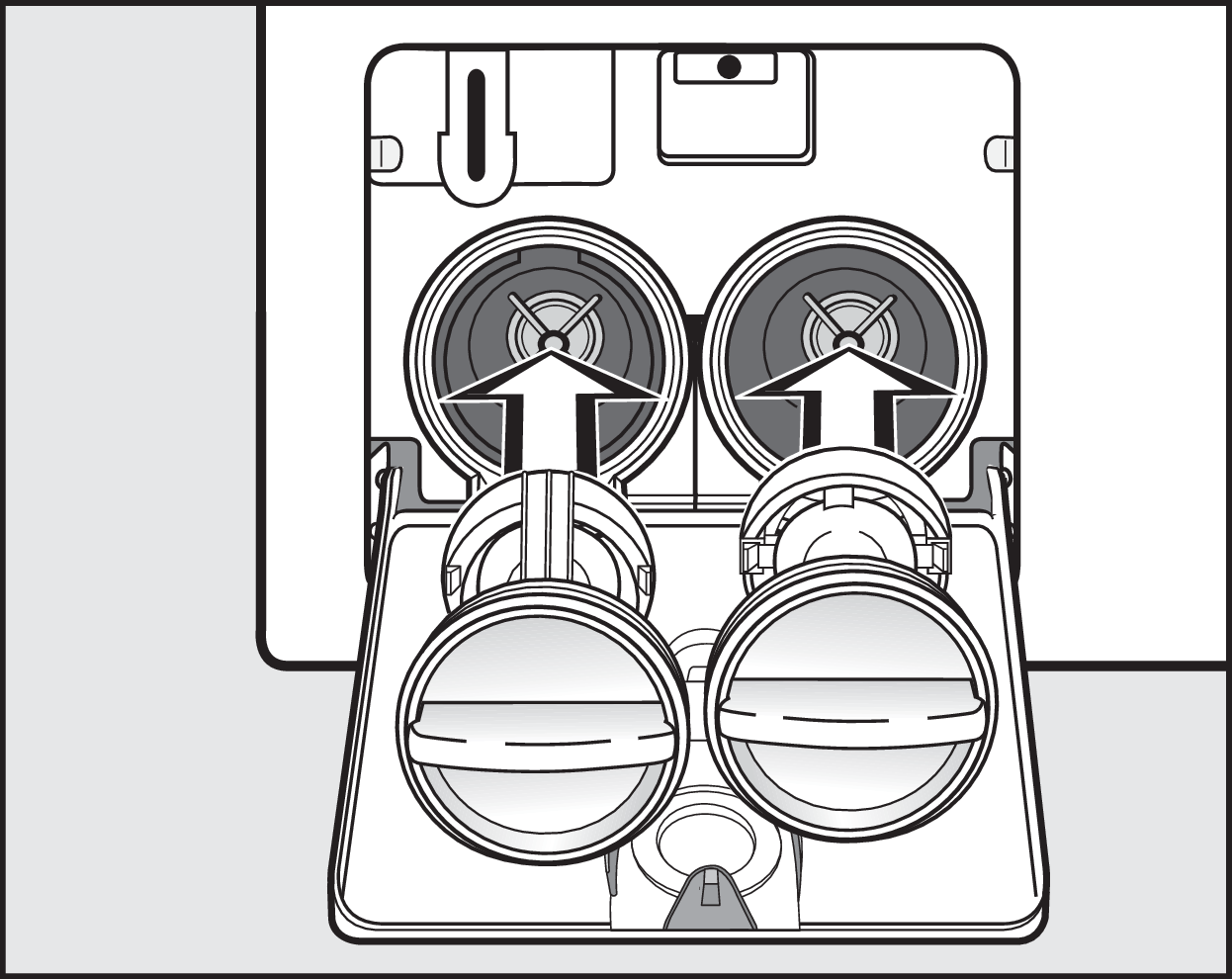
Locate and Access the Filter
The drain filter, usually behind a small access panel at the bottom front of the machine, catches lint and debris before they enter the pump. Place a shallow tray or folded towel underneath to catch residual water. Turn the filter cap counterclockwise to open; water will drip or gush out, so open it slowly. On some models, you may need to press a release lever after unscrewing.
Remove and Rinse the Filter
Pull the filter straight out and inspect it for trapped items like buttons, hair, or fabric scraps. Rinse it under hot running water, using fingers or a soft brush to remove sludge. If greasy residue persists, wash with mild dish soap. While the filter is out, use a damp cloth to wipe the filter housing (the cavity inside the machine), where sludge often accumulates. This step is frequently overlooked but critical for eliminating odor sources.
Reinstall Securely
Ensure the filter is completely dry before reinserting. Align the tabs and screw it back in clockwise until snug; do not overtighten, as this can damage the threads. Close the access panel securely. Check for leaks after the next wash cycle. Clean the filter every 1 to 2 months, or more often if you wash pet bedding or lint-heavy fabrics.
Maintain Exterior Surfaces
Wipe Control Panel and Door Glass
Use a dry or slightly damp microfiber cloth to clean the front panel, display, and door glass. For smudges, lightly dampen the cloth with water or a mild all-purpose cleaner. Never spray liquids directly onto the machine, especially near electronic controls. Avoid abrasive sponges, ammonia-based cleaners, or solvents, which can damage the finish or protective coating on stainless steel or painted surfaces.
Dust and Vacuum Top and Sides
Dust and lint collect on top of the washer, especially in laundry rooms with limited ventilation. Wipe with a dry microfiber cloth weekly. For deeper cleaning, use a vacuum with a brush attachment to remove dust from edges and control knobs. Keeping the exterior clean prevents debris from falling into the drum during loading.
Choose the Right Detergent

Use Powder with Oxygen Bleach
The best long-term strategy to reduce cleaning frequency is using powdered detergent containing oxygen bleach (e.g., sodium carbonate peroxide) and TAED. Unlike liquid detergents, which leave behind oily residues, powder dissolves completely and breaks down grease and organic matter at high temperatures. This keeps internal components cleaner between maintenance cycles. Brands like Tide Washing Machine Cleaner or Miele UltraPhase are formulated to minimize buildup and are safe for Miele machines.
Avoid Liquid Detergents and Softener Sheets
Liquid detergents, especially when used in cold washes, contribute to “sludge” buildup in hoses and the dispenser. Fabric softener sheets leave sticky residues that clog spray nozzles and attract dirt. If you must use liquid, dose carefully and run a hot wash monthly to flush the system. For softening, opt for liquid softener in the dispenser rather than sheets.
Prevent Odors Daily
Leave Door and Drawer Open
After every wash, leave the door ajar for at least one hour to allow airflow and drying. Do the same with the detergent drawer; pull it out slightly to let moisture escape. This simple habit is the single most effective way to prevent mold and mildew. Many Miele owners leave both open permanently between uses, especially in humid environments.
Use Correct Detergent Amount
Overdosing detergent is a leading cause of residue buildup. Follow the manufacturer’s dosage instructions based on load size and soil level. High-efficiency (HE) machines like Miele require less detergent than standard washers. Using too much, even of a quality product, leads to leftover suds and grime that trap odors.
Wash at High Temperatures Regularly
If your laundry allows, run a 60°C (140°F) or higher wash every 2 to 4 weeks. This mimics the European washing standard, where regular hot cycles with powder detergent naturally maintain machine hygiene. High heat kills bacteria, dissolves grease, and prevents the biological growth that causes smells. This reduces reliance on separate cleaning cycles.
Troubleshoot Persistent Issues
Odor Remains After Cleaning
If your machine still smells after a Clean Machine cycle, check whether the “Short” mode was accidentally enabled, lowering the temperature. Verify the drain filter was physically removed and cleaned, not just rinsed in place. Also, ensure the detergent drawer was fully detached and soaked, as residue often hides beneath it. In some cases, a hidden cleaning cycle, detailed only in the tech sheet, may need to be activated manually.
Handle Hard Water Scaling
In areas with hard water, mineral scale builds up inside hoses and the heating element. Add 1 to 2 tablespoons of citric acid to the drum during your monthly cleaning cycle. Citric acid is milder than vinegar and preferred by Miele for descaling. For severe scaling, consider a professional descaling service every 1 to 2 years.
Adjust for Soft Water
Homes with soft water are less prone to scale but still face biological growth from detergent residue. Focus on regular drum wipes and high-temp washes rather than descaling. Use oxygen bleach powder to control microbial buildup, and maintain the post-wash drying routine.
Frequently Asked Questions About Cleaning Miele Washing Machines
How often should I run the Clean Machine cycle on my Miele washer?
Run the Clean Machine cycle every 1 to 3 months, depending on your usage frequency and water hardness. Monthly cleaning is recommended for households that wash daily or use liquid detergents. In hard water areas, clean every 6 to 8 weeks. Miele models with usage algorithms may prompt you when a cleaning cycle is due.
Can I use vinegar to clean my Miele washing machine?
You can use vinegar sparingly (once monthly) to clean the door seal and remove mild mold. However, avoid using vinegar undiluted or too frequently, as it can degrade rubber seals and hoses over time. For the drum and internal cleaning, use Miele IntenseClean or oxygen bleach powder instead.
Why does my Miele washing machine still smell after cleaning?
Persistent odor usually indicates that the drain filter was not physically removed and cleaned, or the detergent drawer was not fully disassembled and soaked. Check if the “Short” option was accidentally enabled during the cleaning cycle, as this lowers the temperature. Also ensure you leave the door open between washes to allow drying.
Where is the drain filter located on a Miele washing machine?
The drain filter is located behind a small access panel at the bottom front of the machine. Place a towel underneath before opening, then turn the filter cap counterclockwise to remove it. Clean the filter and the housing cavity every 1 to 2 months.
What is the best detergent for maintaining a clean Miele washing machine?
Powdered detergents containing oxygen bleach (sodium carbonate peroxide with TAED) are best for maintaining a clean Miele machine. These dissolve completely at high temperatures and prevent the sludge buildup associated with liquid detergents. Miele UltraPhase is specifically designed for Miele machines.
Key Takeaways for Maintaining Your Miele Washing Machine
A clean Miele washing machine starts with daily habits and ends with disciplined maintenance. By leaving the door open, using powder detergent, and running a proper 90°C cycle every 1 to 3 months, you will prevent 90% of common issues. Clean the filter and drawer regularly, avoid liquid detergents and softener sheets, and never skip drying the interior. These steps are not just about freshness; they protect your investment and ensure your Miele delivers spotless laundry for years. For model-specific guidance, always consult your user manual or Miele’s official support resources.