You’ve just finished a load of laundry, but when you open your GE front-load washer, a musty, sour smell hits you. That odor is not just unpleasant. It is a sign of mold, mildew, and soap scum hiding in your machine. Unlike top-loaders, front-load washers trap moisture in the drum, gasket, and drain system, creating the perfect breeding ground for grime.
Left unchecked, this buildup can lead to smelly clothes, clogged drains, and even mechanical failure. The good news is that with a few simple tools and a monthly routine, you can keep your GE front-load washer fresh, hygienic, and running efficiently.
Run a Monthly Drum Cleaning Cycle
Keeping your washer drum clean is the first line of defense against odors and residue. GE recommends running a cleaning cycle every 30 days to dissolve detergent buildup and kill bacteria.
Choose Your Cleaning Agent
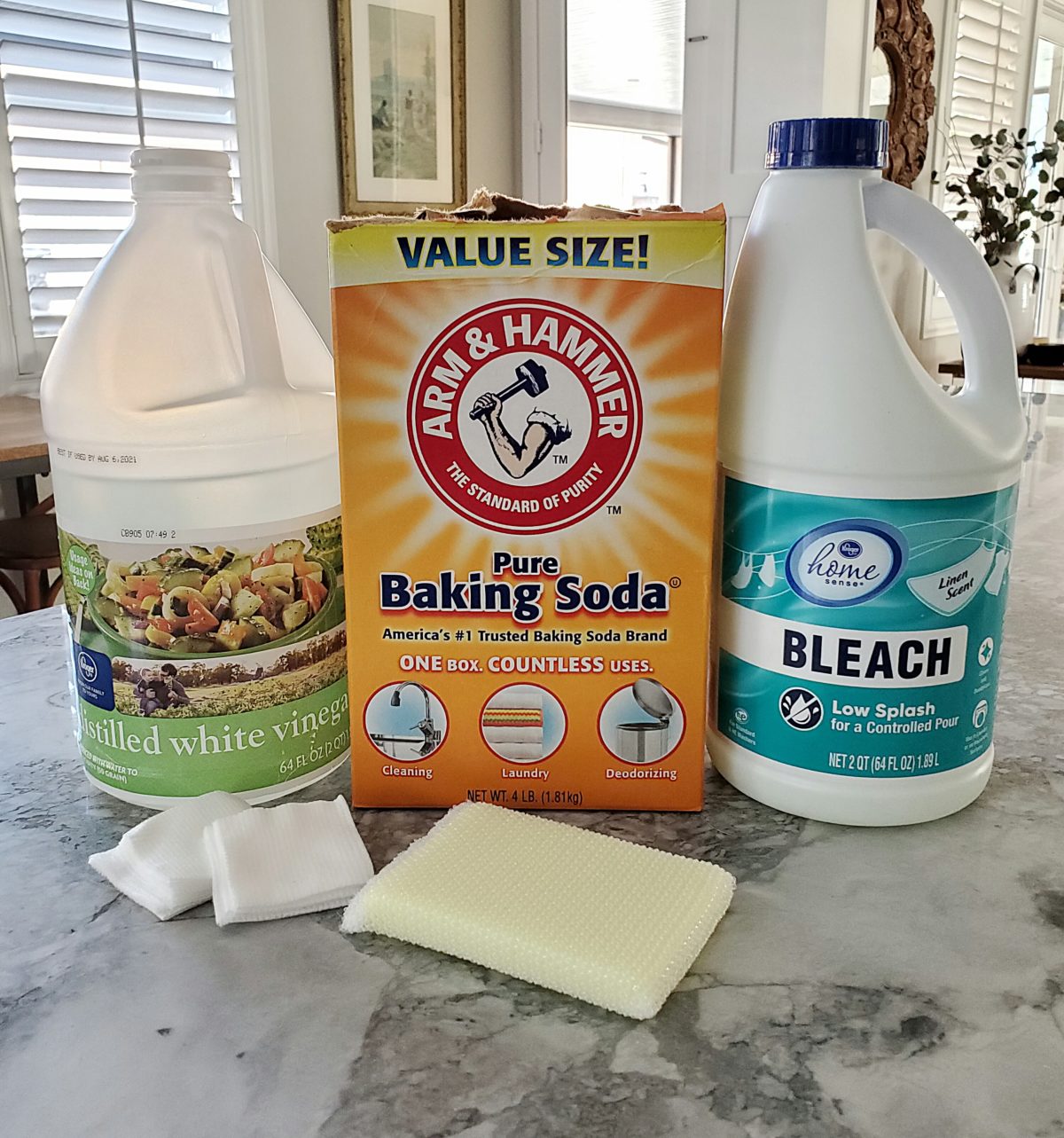
You have three effective options. Each works differently, so pick based on your needs.
Vinegar and baking soda is natural, safe for septic systems, and great for odor control. Mix 2 cups of white vinegar in the drum or bleach dispenser with half a cup of baking soda sprinkled in the drum.
Bleach is best for disinfecting and removing stubborn grime. Use 1 cup of liquid chlorine bleach in the bleach dispenser. Never mix bleach with vinegar.
Commercial tablets like Affresh or ACTIVE are convenient and formulated specifically for front-loaders. Drop one tablet directly into the empty drum.
Start the Hot Water Cycle
Select the hottest water setting and the longest cycle available. This might be labeled Sanitize, Heavy Duty, or Clean Washer. This ensures maximum cleaning power.
If your model has a Clean or Basket Clean cycle, use it. These are preprogrammed for maintenance and optimize water flow and temperature.
Let the cycle run completely. For extra-stubborn buildup, pause the cycle after the drum fills and let it soak for 60 minutes before resuming.
Rinse to Remove Residue
After the cleaning cycle finishes, run a quick rinse cycle with no additives. This removes any lingering vinegar smell or cleaning residue, leaving your drum fresh and ready for laundry.
Clean the Rubber Door Gasket
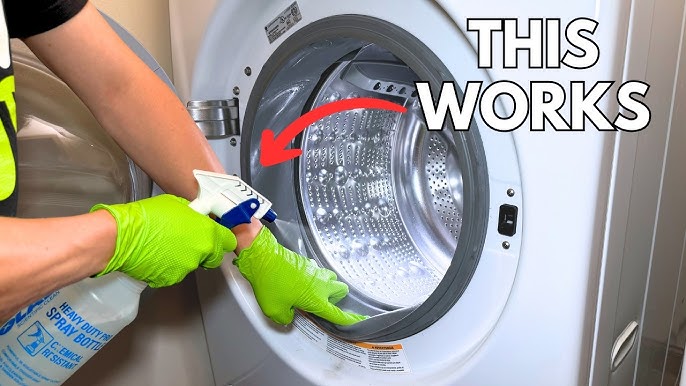
The rubber seal around the door is the number one spot for mold and mildew. Its deep folds trap water, lint, and detergent, making it a hidden hotspot for contamination.
Inspect and Remove Debris
Open the door fully and pull back the rubber gasket. Check the entire circumference, especially the bottom where water pools. Remove any trapped coins, hair, or fabric scraps by hand.
Leaving foreign objects here can damage the pump or cause leaks.
Apply Cleaning Solution
Mix 1 cup white vinegar, 1 cup warm water, and 1 teaspoon of dish soap in a spray bottle. Shake gently to combine.
Spray the solution generously onto the gasket, focusing on all folds and crevices. Let it sit for 10 minutes to break down mold and loosen grime.
Scrub and Dry Thoroughly
Use a soft-bristled toothbrush to scrub every inch of the seal. The brush small head reaches deep into folds where sponges cannot.
Wipe clean with a microfiber cloth. Repeat if needed. Once clean, dry the gasket completely with a towel to prevent moisture buildup.
Treat Stubborn Mold Stains
If black spots remain, vinegar alone may not cut it. Use a gel-based mold remover for targeted treatment.
Apply a small amount directly to stained areas. Let sit for 3 to 5 hours or overnight. Scrub gently, rinse with water, and dry.
If the gasket is cracked, torn, or smells permanently musty, replacement is necessary. Contact GE support or a technician.
Remove and Clean the Detergent Drawer
Soap residue in the dispenser leads to clogs, overflow, and mildew growth behind the panel.
Take Out the Dispenser Drawer
Locate the push tab on the front of the drawer. Press it and pull the drawer out completely. Some models allow you to pop off internal compartments. Check your manual.
Never put the drawer in the dishwasher. Heat can warp the plastic.
Soak and Scrub
Soak the drawer and removable parts in warm vinegar-water solution or soapy water for 20 minutes.
Use a toothbrush or Scrub Daddy to clean every nook, including under the siphon caps and inside the detergent slots.
Clean the Dispenser Cavity
Spray the empty drawer slot with vinegar solution. Use a cloth-wrapped finger or small brush to wipe out hidden sludge.
Rinse all parts, dry thoroughly, and reinsert the drawer until it clicks.
Clean the Pump Filter Every 3 to 6 Months
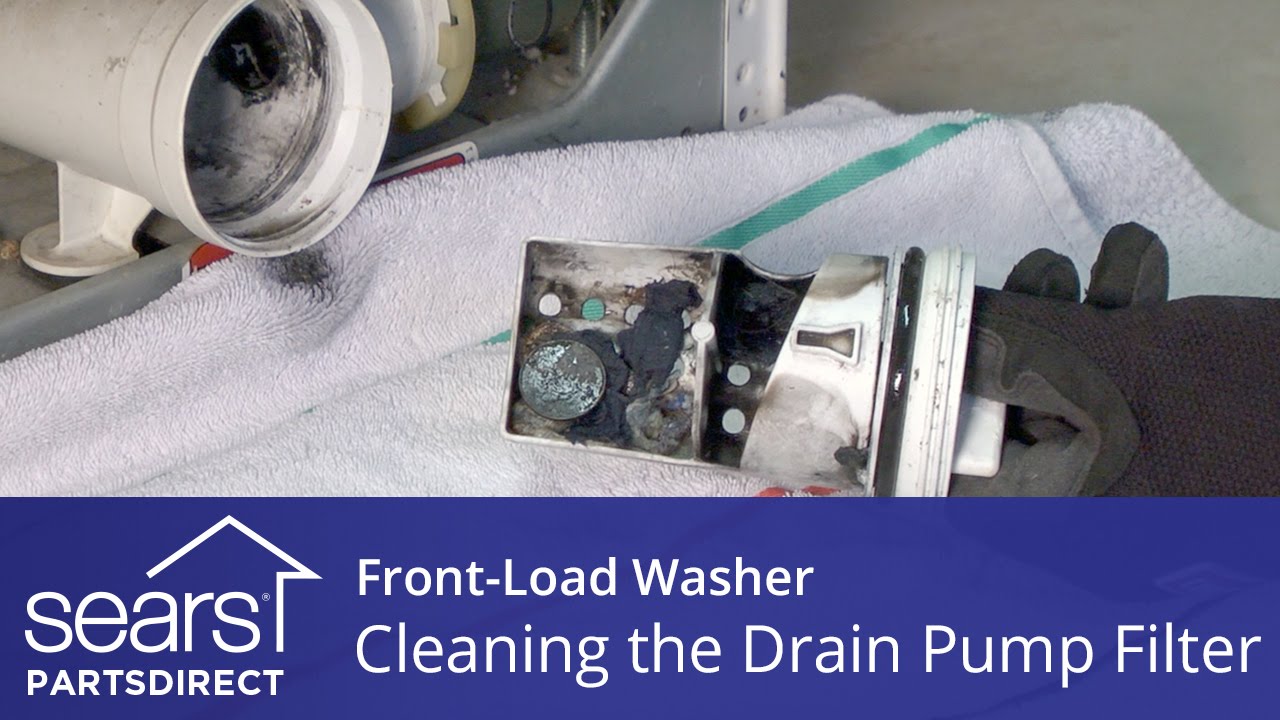
A clogged filter causes poor drainage, damp clothes, and error codes. Cleaning it prevents costly repairs.
Locate the Access Panel
On most GE front-loaders, the filter compartment is a small door at the bottom right front of the machine. Use a coin or screwdriver to pop it open.
Place a shallow pan or towel underneath. Up to a quart of water will drain out.
Drain and Remove the Filter
If your model has an emergency drain hose, pull it down, remove the cap, and let water flow into a container.
If not, slowly turn the filter cap counterclockwise. Water will trickle out. Turn it back clockwise to pause if the pan fills too fast.
Once water stops, remove the filter completely.
Clear Debris and Reinstall
Inspect the filter for coins, lint, hair, or small items. Rinse it under running water and scrub with vinegar-soap mix to remove slime.
Wipe the filter housing with a damp cloth. Reinsert the filter and turn clockwise until snug. Do not overtighten.
Close the access panel securely.
This task takes 10 to 15 minutes. Do this every 3 to 6 months, or immediately if drainage slows.
Wipe Down Exterior and Control Panel
Do not forget the outside. Splashes, dust, and fingerprints can degrade the finish and affect electronic controls.
Clean Surfaces Safely
Dampen a microfiber cloth with water or mild cleaner. Wipe the door, casing, and control panel.
Use gentle pressure. Do not spray liquid directly on the machine. Moisture can seep into electronics.
Avoid abrasive pads or harsh chemicals that scratch the surface.
Maintain the UltraFresh Vent If Equipped
On GE Profile models, press the UltraFresh button after each wash. This runs a post-cycle spin that circulates air, drying the drum and gasket.
This feature is critical in humid climates to prevent mold between uses.
Prevent Odors and Buildup Long-Term
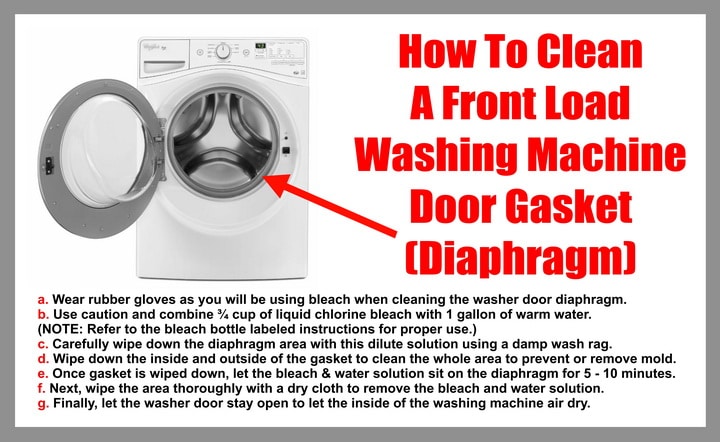
Cleaning is only half the battle. Smart habits stop grime before it starts.
Leave the Door Open After Each Use
Always crack the door and dispenser drawer after washing. This allows airflow and prevents trapped moisture, the main cause of odors.
Wipe the gasket dry with a towel after heavy loads.
Use the Right Amount of Detergent
Too much detergent means leftover suds and slime. Use HE high-efficiency detergent and follow label dosing. For most loads, 1 to 2 tablespoons is enough.
Avoid overusing fabric softener. It coats the drum and reduces cleaning efficiency.
Do Not Overload the Machine
Stuffed loads trap water in clothes and the drum, slowing drying and promoting mold. Leave space at the top, about the width of your hand.
Troubleshoot Common Post-Cleaning Issues
Even after cleaning, problems can persist. Here is how to diagnose them.
Smell Still Present
If odors return within days, internal hoses may be clogged with mold. These are not accessible without disassembly.
Schedule service with a certified technician. Some cases require full unit breakdown to clean recirculating lines.
Water Not Draining
Check the filter again. Debris may be lodged deeper.
Listen for pump noise. No sound means the pump may be faulty.
Ensure the drain hose is not kinked behind the machine.
Excessive Vibration
Level the washer using adjustable feet.
Check for unbalanced loads.
Inspect suspension rods. If worn, the drum shakes violently.
Key Takeaways for Maintaining Your GE Front Load Washer
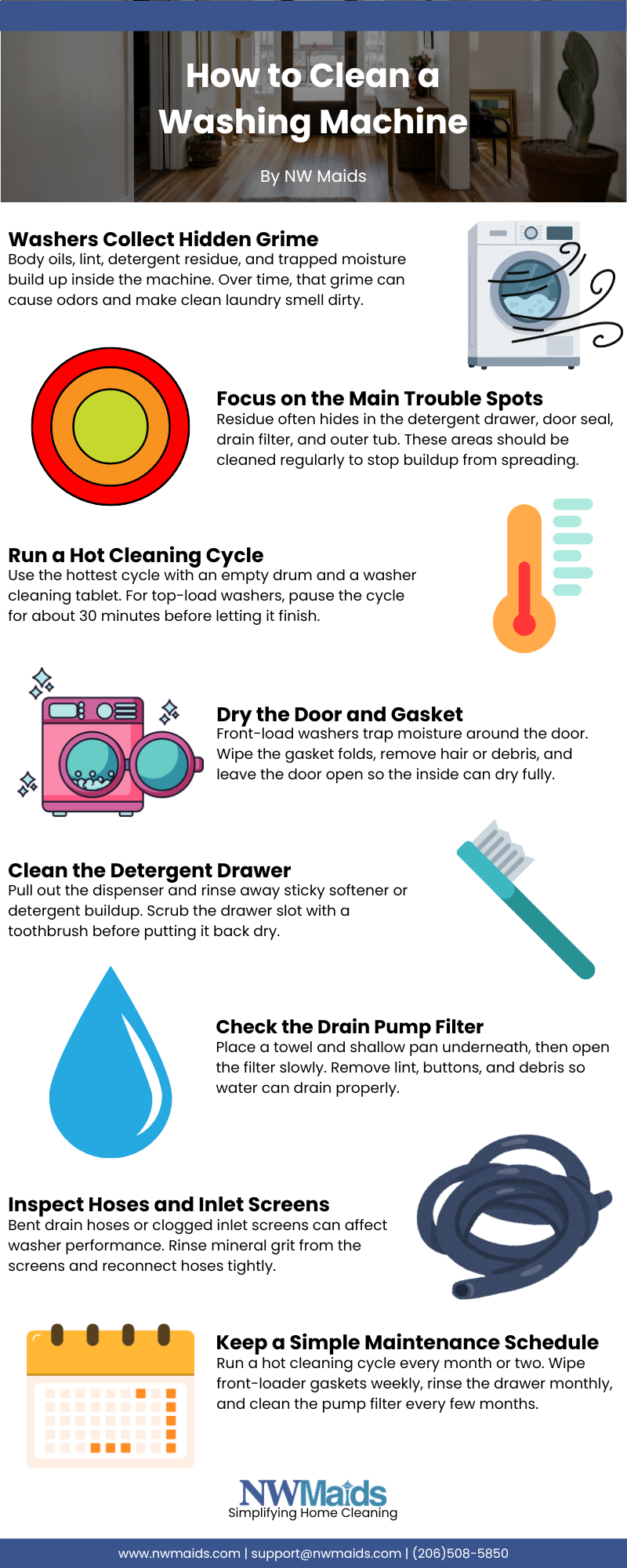
Cleaning your GE front-load washing machine is not just about freshness. It is about performance, hygiene, and longevity. With a monthly drum cycle, quarterly filter checks, and daily drying habits, you will avoid 90 percent of common issues.
Stick to this routine, and your washer will keep your clothes clean without making them smell like mildew. For best results, use hot water cycles, HE detergent, and never skip the post-wash air-out step.
Your machine works hard. Give it the maintenance it deserves, and enjoy cleaner laundry, fewer repairs, and a fresher laundry room.
Frequently Asked Questions About Cleaning GE Front Load Washers
How often should I clean my GE front load washer?
Run a deep cleaning cycle monthly. Clean the pump filter every 3 to 6 months. Wipe the gasket and leave the door open after every load.
Can I use vinegar and bleach together in my washer?
No. Never mix vinegar and bleach. This creates dangerous fumes. Use one or the other, never both at the same time.
Why does my GE front loader still smell after cleaning?
Persistent odors may indicate mold in internal hoses that are not accessible during regular cleaning. Schedule professional service if odors return after multiple cleaning cycles.
Where is the pump filter located on a GE front load washer?
The filter is behind a small access door at the bottom right front of the machine. Use a coin or screwdriver to open it.
Is it safe to use commercial cleaning tablets every month?
Yes. Products like Affresh and ACTIVE are designed for monthly use. They are safe for all front-load washer components and help prevent buildup.
How do I prevent mold on the rubber door gasket?
Leave the door open after each use. Wipe the gasket dry with a towel. Spray with vinegar solution weekly if you live in a humid climate.