Is your Amana washing machine leaving clothes with a musty smell or not performing like it used to? You’re not alone. Over time, detergent residue, hard water buildup, and odor-causing bacteria accumulate inside the drum, hoses, and pump, especially if you mostly run cold-water cycles. The good news: a proper cleaning can restore freshness and efficiency in under an hour. Using the right method, whether affresh® tablets, bleach, or a deep internal clean, you can eliminate grime and keep your washer running smoothly. In this guide, you’ll learn the exact steps to clean your Amana washer, when to do it, how to troubleshoot common issues, and what preventative habits make the biggest difference.
How Often to Clean Your Amana Washer
Run a cleaning cycle once a month or every 30 washes, whichever comes first. This baseline prevents buildup that leads to odors and reduced performance. Increase frequency if you have hard water, wash large loads often, or notice early warning signs like musty smells, dingy clothes, or visible mildew around the door gasket or detergent dispenser.
The Clean Washer indicator light is your machine’s direct signal that cleaning is overdue. Don’t ignore it. Immediate cleaning is also required if clothes don’t come out smelling fresh or if residue appears on recently washed items.
Warning Signs Your Amana Washer Needs Cleaning Now
Your washer gives you clear signals when buildup becomes problematic. Watch for these indicators.
Foul odor during or after cycles means bacteria and mold have settled into moist areas. Mold or mildew visible in the drum, door seal, or dispenser indicates established growth. Clothes feeling stiff or looking less clean despite normal wash settings suggest residue is redepositing on fabrics. Excess suds in rinse cycles point to detergent overload that the machine cannot properly clear.
These symptoms mean soils and residues are trapping moisture and bacteria. A full clean cycle plus inspection of hidden areas will resolve them.
Cleaning Your Amana Washer with affresh® Tablets

Amana recommends affresh® Washer Cleaner tablets for deep cleaning because they’re formulated to reach internal components like the pump, valves, and recirculation hoses. This method is safer than bleach and specifically designed for modern washing machines.
Step-by-Step affresh® Cleaning Process
Place one tablet directly at the bottom of the empty drum. Never place it in the detergent dispenser. Close the lid or door securely. Select the Clean Washer cycle on your control panel. Press Start and let the full cycle complete without opening the door mid-cycle.
The process takes about 90 minutes and uses hot water to dissolve and flush away buildup. After it finishes, leave the door open to dry the interior and prevent future odors.
Troubleshooting Undissolved affresh® Tablets
If the tablet doesn’t fully dissolve, check these common causes. Expired tablets lose potency, so check the printed date. Cold water supply prevents proper activation, so run hot water at a nearby faucet for 30 seconds before starting to clear cold lines. If your model lacks a Clean Washer cycle, use the highest water level and hottest temperature setting instead.
Using expired tablets or cold water prevents proper activation. Always use fresh tablets and confirm your washer receives hot water.
Using Liquid Chlorine Bleach to Clean Your Amana Washer
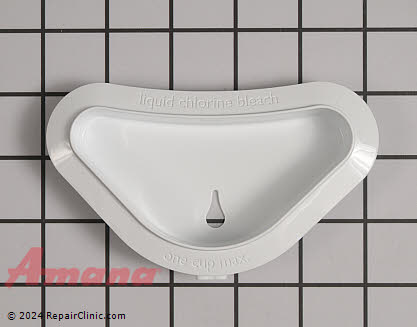
If affresh® isn’t available, liquid chlorine bleach is an effective alternative. However, dosage and type matter significantly for safety and effectiveness.
Bleach Cleaning Procedure
Pour exactly 1 cup (236 mL) of standard liquid chlorine bleach into the bleach dispenser. Do NOT use thickened, gel, or no-splash bleach varieties. These cause oversudsing and may damage internal components. Ensure the drum is empty with no clothes, detergent, or fabric softener present. Select the Clean Washer cycle. Touch and hold the START/PAUSE button for 3 seconds to begin the cleaning sequence. Let the cycle finish completely without interruption.
This method sanitizes the tub, hoses, and pump. Bleach breaks down organic matter and kills mold spores effectively.
Critical Bleach Safety Warnings
Using more than 1 cup risks damaging rubber seals, hoses, and internal valves. Overuse leads to premature wear and voided warranties. Stick to the 1-cup rule and never mix bleach with other cleaners, especially vinegar or ammonia, which creates toxic fumes.
If your model lacks a bleach dispenser, do not pour bleach directly into the drum. This can cause discoloration or damage. Use affresh® or run a hot water cycle with vinegar instead.
The Essential Rinse and Spin Cycle
After using affresh® or bleach, a rinse and spin cycle is mandatory to remove leftover residue. Skipping this step can lead to staining or irritation on your next wash load.
How to Properly Rinse After Cleaning
Select Rinse and Spin on your control panel. Set water level to Auto Sensing to prevent overfilling and ensure efficient flushing. Start the cycle and allow it to complete fully.
The washer fills with fresh water, agitates briefly, then spins to extract dirty water. This final flush clears any remaining chemicals or loosened debris.
Verifying a Thorough Clean
After the rinse cycle, inspect the drum. It should look smooth, shiny, and free of residue. Wipe the door gasket, bleach dispenser, and detergent tray with a damp cloth to remove any lingering buildup. If grime remains, repeat the clean cycle with attention to water temperature and tablet freshness.
Deep Cleaning Hidden Areas Inside Your Amana Washer
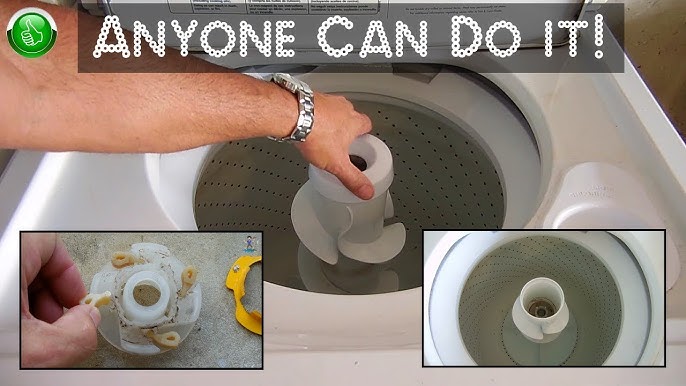
For persistent odors that surface cleaning won’t fix, you need to access internal components where mold and gunk accumulate most.
Removing and Cleaning the Agitator
Unplug the washer for safety. Remove the agitator cap by pulling straight up or unscrewing, depending on your model. Use a spanner wrench to loosen the central nut. Do not use pliers, which risk stripping threads. Lift the agitator straight up to access the shaft below.
Clean the shaft, nut, and underside of the agitator with a disinfectant wipe or soft brush. Heavy grease or soap scum may require soaking in warm, soapy water.
Cleaning the Fabric Softener Dispenser
This component often clogs with residue. Remove it if detachable and soak in warm water. Use an old toothbrush to scrub out buildup from all corners and channels. Reinstall only when completely dry to prevent mold growth.
Checking for Foreign Debris and Blockages
While disassembled, check under access plates for hardened soap clumps, fabric softener gunk, or small objects like coins or buttons. These can restrict water flow and cause noise during cycles. Remove carefully and wipe the area with a disinfectant wipe to sanitize.
Warning: Without a spanner wrench, do not force the agitator nut. You may damage internal threads. If it’s corroded, apply penetrating oil and wait 10 minutes before retrying with steady pressure.
Factory Reset for Post-Clean Issues

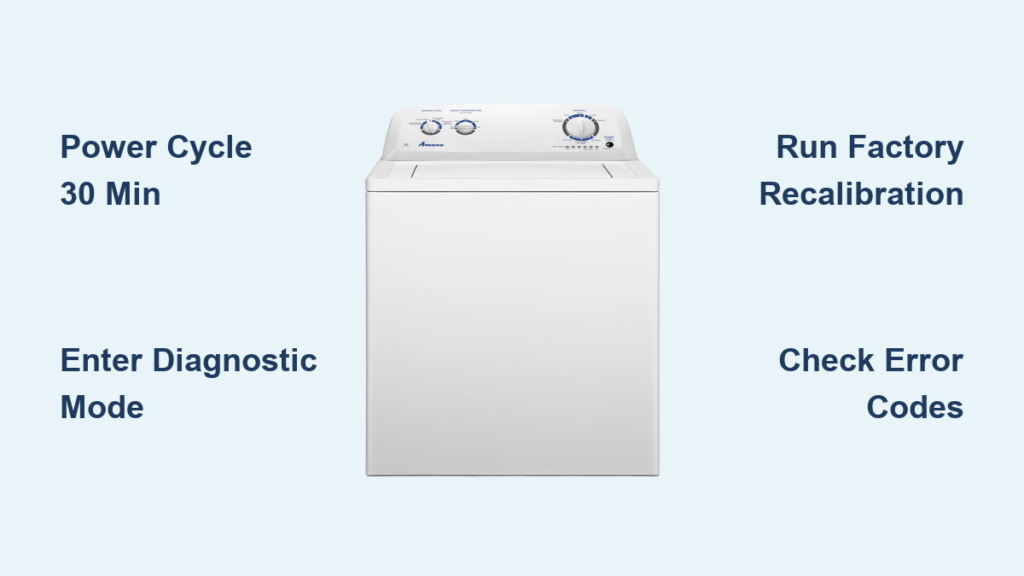
If your Amana washer fails to spin, drain, or start after cleaning, a factory reset can clear software glitches. This works on most Amana, Whirlpool, Kenmore, and compatible models.
When to Perform a Factory Reset
Do not perform this mid-cycle. Ensure the washer is off and idle. Reset only after cleaning fails to fix operational issues. If the panel is unresponsive, unplug the unit for 10 seconds first.
The Reset Dial Sequence
Turn the control dial counterclockwise one full rotation until it clicks. Within 6 seconds, complete this sequence: 3 clicks right, 1 click left, 1 click right. Lights should flash, indicating diagnostic mode is active. Then do 4 more clicks right and press Start. Wait 2 to 3 minutes. A successful reset ends with the machine powering off and the lid unlocking.
This clears temporary errors but does not erase saved wash cycles.
Reset Troubleshooting Tips
Lights keep flashing means an error code is active. Consult your manual for specific codes. Lid remains locked. Unplug for 10 seconds, then retry the sequence. No response. Check power supply and ensure the door is fully closed.
Preventing Future Buildup in Your Amana Washer
Regular cleaning solves problems, but good habits prevent them. These preventative measures keep your washer fresh between deep cleans.
Using HE Detergent Correctly
Always use High-Efficiency (HE) detergent. It produces fewer suds and rinses cleaner. Overdosing is a top cause of residue and odors. Follow the bottle’s dosage guide based on load size and soil level. For most loads, 1 tablespoon is enough. Never use regular detergent in an HE machine. It creates excess suds that trap dirt and reduce cleaning power.
Varying Water Temperature
Running only cold water cycles leaves behind oils, body soils, and detergent. Use warm or hot water at least once a week to dissolve and flush buildup. The Clean Washer cycle already uses hot water. Make it a habit to run warm or hot washes regularly, not just during deep cleaning.
Keeping the Door Open
After every use, leave the lid or door open for several hours. This allows moisture to escape and prevents mold growth in the gasket and drum. It’s the simplest, most effective prevention step you can take.
Removing Laundry Immediately
Don’t let wet clothes sit more than 30 minutes after the cycle ends. Stagnant moisture breeds mildew and transfers odor to the next load. Set a phone reminder if needed. Prompt unloading is one of the most overlooked but effective maintenance habits.
Frequently Asked Questions About Cleaning Amana Washing Machines
How often should I clean my Amana washing machine?
Clean your Amana washer at least once per month or every 30 wash cycles, whichever comes first. Increase frequency if you have hard water, frequently wash large loads, or notice musty odors.
Can I use vinegar instead of bleach or affresh® to clean my Amana washer?
Yes, vinegar works as a natural alternative but is less effective for sanitizing. If using vinegar, run a hot water cycle with 2 cups of white vinegar in the drum. However, affresh® or bleach provide deeper cleaning and better sanitization.
What should I do if my Amana washer still smells after cleaning?
Check for expired cleaning tablets and ensure hot water is reaching the machine. Inspect the agitator and fabric softener dispenser for hidden grime. If odors persist, you may need to remove the agitator for deep cleaning or check for mold inside the drain hose.
Can I use regular detergent in my Amana HE washing machine?
No. Always use HE (High-Efficiency) detergent specifically labeled for HE machines. Regular detergent creates excess suds that lead to residue buildup, odors, and poor cleaning performance.
Why does my Amana washer have a musty smell even when empty?
Moisture is trapped inside. Leave the door open between uses to allow drying. Check the door gasket for mold buildup and wipe it clean. Run a Clean Washer cycle with affresh® or bleach to eliminate existing odor-causing bacteria.
Key Takeaways for Cleaning Your Amana Washer
Regular cleaning, whether monthly with affresh® or bleach plus immediate action when odors appear, keeps your Amana washer fresh and efficient. Combine cleaning with HE detergent, proper ventilation, and occasional hot water cycles to avoid most common issues.
The most important habits are leaving the door open after each use, using only HE detergent in correct amounts, and running a monthly Clean Washer cycle. If problems persist after cleaning and reset, consult a technician for pump, valve, or motor diagnostics.