If you’re wondering how long a washing machine should last, the answer depends on several factors, but most quality units last between 10 and 14 years with proper care. Budget models may fail as early as 7 years, while premium brands like Speed Queen and Miele can last 15 to 25 years when maintained well. The actual lifespan depends on usage frequency, machine type, water quality, and how consistently you perform maintenance.
This guide covers everything that affects washing machine longevity, from brand reliability and failure signs to maintenance habits and the critical decision point of whether to repair or replace your machine.
Average Lifespan by Machine Type
:max_bytes(150000):strip_icc()/top-load-washer-vs-front-load-2145868-v5-6606d79a51e446be957069689296fc44.png)
Front-Load vs. Top-Load Longevity
Top-load and front-load washers differ significantly in durability due to their mechanical designs. Top-load washers typically last about 14 years because of their simpler mechanics, vertical drum orientation, and easier repair access. Their main wear points include agitators, couplings, and lid switches, which are usually inexpensive to fix.
Front-load washers average 11 to 12 years, with earlier failures often tied to complex components like door gaskets, suspension systems, and horizontal drum bearings. The sealed door traps moisture, increasing mold risk and degrading rubber seals over time. The horizontal drum axis places continuous strain on bearings during high-speed spins.
Despite their shorter average life, front-loaders use 30–50% less water and energy and are gentler on fabrics. However, their advanced electronics, sensors, and drum seals create more failure points than the mechanical simplicity of most top-loaders.
When Major Failures Typically Occur
Failure patterns differ between machine types. Top-loaders tend to fail gradually, with issues like worn agitators or transmission noise appearing years before total breakdown. Front-loaders often experience sudden catastrophic events, such as bearing seizure or gasket leaks, which can render the machine unusable if not caught early.
The “cheaper to replace” threshold typically hits around 7–8.5 years for front-loaders and 7–7.5 years for top-loaders. This is when repair costs outweigh the remaining value of the machine. With diligent care, many units exceed these averages, especially top-load models in low-use households.
Top-Performing Brands for Durability
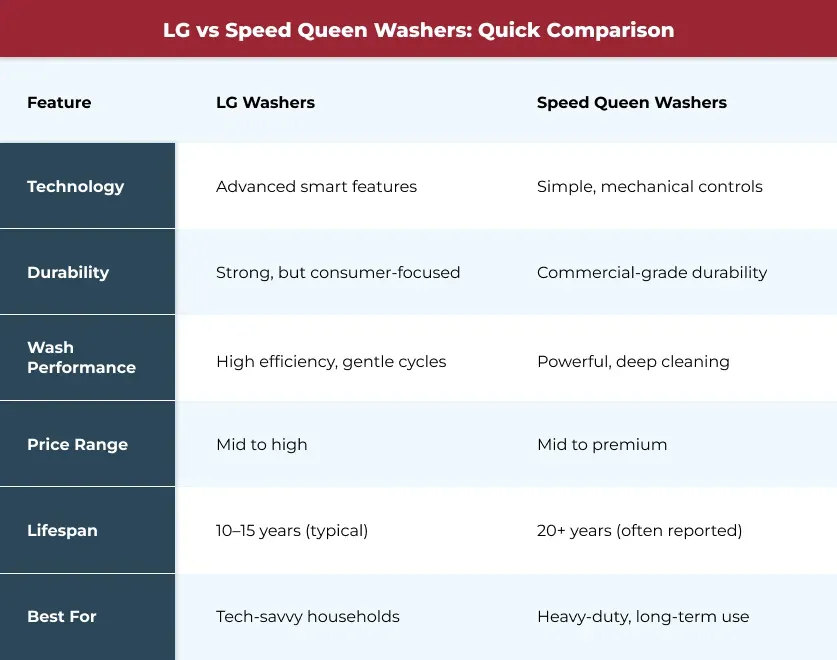
Speed Queen: Built to Last 25 Years
Speed Queen stands alone in longevity, engineering both residential and commercial machines to endure over 10,400 wash cycles, equivalent to 25 years of typical home use. Their washers feature metal tubs, metal wash plates, and heavy-duty motors, avoiding the plastic components common in consumer models. This commercial-grade construction resists corrosion, warping, and mechanical fatigue.
Speed Queen offers a 7-year full warranty on select models, covering parts and labor. Users report minimal repairs even after 15+ years when basic maintenance is followed. The higher upfront cost delivers unmatched long-term value.
Miele: 10,000+ Hours of Reliability
Miele, the German luxury brand, tests its washers for over 10,000 hours of operation, more than triple the standard for automotive engines. Independent surveys show Miele owners go 9.4 years on average before experiencing a major fault, the longest among major brands.
Miele machines use precision motors, corrosion-resistant materials, and advanced vibration control. While expensive, they are designed for decades of use in high-demand homes. The build quality justifies the premium price for buyers prioritizing longevity over features.
Mid-Tier and Budget Brand Reliability
Not all brands deliver equal durability. Based on 2023 consumer data tracking time to first major fault:
| Brand | Avg. Years to First Major Issue |
|---|---|
| Fisher & Paykel | 8.5 years |
| Simpson | 8.1 years |
| Bosch | 7.8 years |
| Asko | 7.6 years |
| LG | 6.9 years |
| Electrolux | 6.3 years |
LG and Electrolux offer strong motor warranties (10 years on parts), but electronic issues and door seal failures are common pain points, especially in front-load models. Maytag remains a reliable mid-range option with some models backed by a 10-year limited parts warranty.
Budget brands like Amana, Danby, and Hotpoint typically last only 5–7 years, using plastic tubs and simplified motors to cut costs. They work well for apartments or light use but are not ideal for long-term ownership.
Key Factors That Extend or Shorten Lifespan
Usage Frequency and Load Size
How often you run your washer directly impacts its lifespan. A machine used multiple times daily wears out faster than one used once a week. Each cycle stresses the motor, bearings, and suspension.
Overloading is one of the worst habits. Stuffed drums create imbalance, forcing the motor to work harder and increasing vibration. Over time, this strains bearings and shocks, leading to early failure. Always follow the manufacturer’s load guidelines, typically filling the drum 75% full for optimal performance.
Hard Water and Mineral Buildup
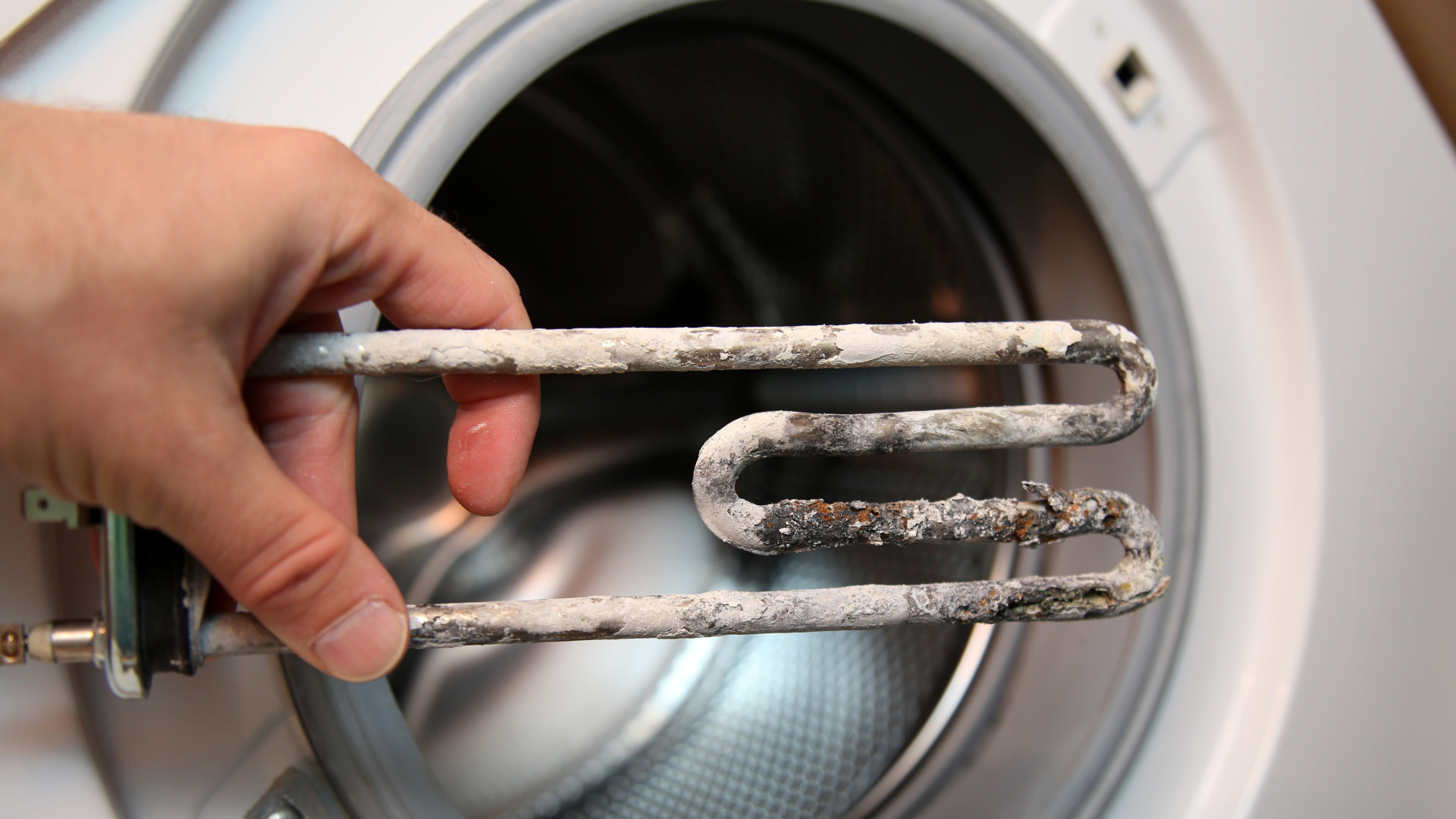
In areas with hard water, mineral deposits (calcium and magnesium) accumulate inside hoses, pumps, and heating elements. This scale buildup reduces efficiency, blocks water flow, and can cause the heater to overheat and fail.
To combat this, consider these approaches:
• Install a whole-house water softener
• Use descaling agents monthly
• Run hot vinegar cycles every 1–2 months
These steps prevent clogs and protect internal components, especially in regions with high mineral content.
Installation and Environmental Conditions
A poorly installed washer will not last. If not level, it vibrates excessively during spin cycles, shaking loose internal parts and damaging suspension systems. Always adjust the leveling feet and check stability after moving the machine.
Environmental factors also matter:
• High humidity promotes rust and mold growth
• Cold garages or basements can crack hoses and seals
• Direct sunlight degrades plastic and rubber parts
For maximum longevity, install your washer in a dry, climate-controlled space away from extreme temperatures.
Maintenance Habits That Add Years to Your Machine
Monthly Cleaning Cycles
Running a cleaning cycle monthly prevents residue buildup. Use hot water with 1 cup white vinegar, or use a commercial washing machine cleaner. This dissolves detergent film, mold, and mineral deposits inside the drum and plumbing. For front-loaders, this is essential to prevent musty odors and gasket decay.
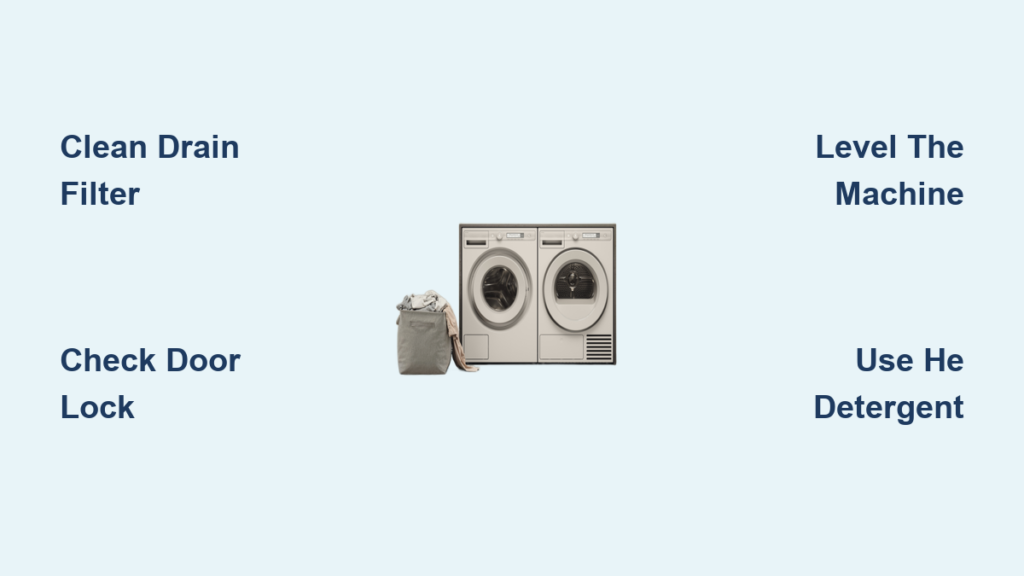
Clean the Drain Pump Filter Every 3 Months
The drain pump filter catches coins, lint, and hair. If clogged, it forces the pump to overwork, leading to motor burnout or leaks. Check the filter every 2–3 months:
- Locate the access panel (usually bottom front)
- Place a towel to catch water
- Remove and rinse the filter thoroughly
Consult your manual for exact instructions.
Wipe the Door Gasket (Front-Loaders)
After every use, wipe moisture from the rubber door seal. Trapped water breeds mold, which eats away at the rubber and causes leaks. Leaving the door slightly ajar between washes allows airflow and drying.
Use HE Detergent and the Right Amount
Using too much detergent or non-HE formulas creates excess suds that do not rinse away, leaving a sticky residue coating sensors, pumps, and drums. Always use HE detergent and follow the cap’s dosage guide. Less is often better.
Repair or Replace? The 50% Rule

When to Repair
The 50% Rule is the gold standard for repair decisions: If the repair costs more than 50% of a new unit’s price, replace it. For example, if repair costs $300 and a new comparable model costs $600, replacement is smarter.
However, low-cost repairs are almost always worth it regardless of age:
• Leaking hoses: $120–$150 → Repair
• Clogged pump: $150 → Repair
• Worn door seal: $100–$200 → Repair
These fixes are cost-effective and prevent water damage.
When to Replace
Avoid sinking money into aging machines. Replace if:
• The washer is over 10 years old
• The repair involves motor, transmission, or drum
• The unit uses significantly more water/energy than modern models
Even if repairable, older machines cost more to run. A new ENERGY STAR model can save $50–$100 annually in utilities.
Cost vs. Age Decision Guide
| Problem | Repair Cost | Under 8 Years | Over 10 Years |
|---|---|---|---|
| Control board failure | $150–$400 | Repair | Replace |
| Loud spin (bad bearings) | $250–$350 | Evaluate | Replace |
| Leaking (hoses/seal) | $120–$200 | Repair | Repair |
| Drum not spinning (belt) | $150–$200 | Repair | Evaluate motor |
| Motor/transmission failure | $400+ | Replace | Replace |
Once a machine hits 8–10 years, weigh repair costs carefully. One major fix often leads to another.
Early Warning Signs of Failure
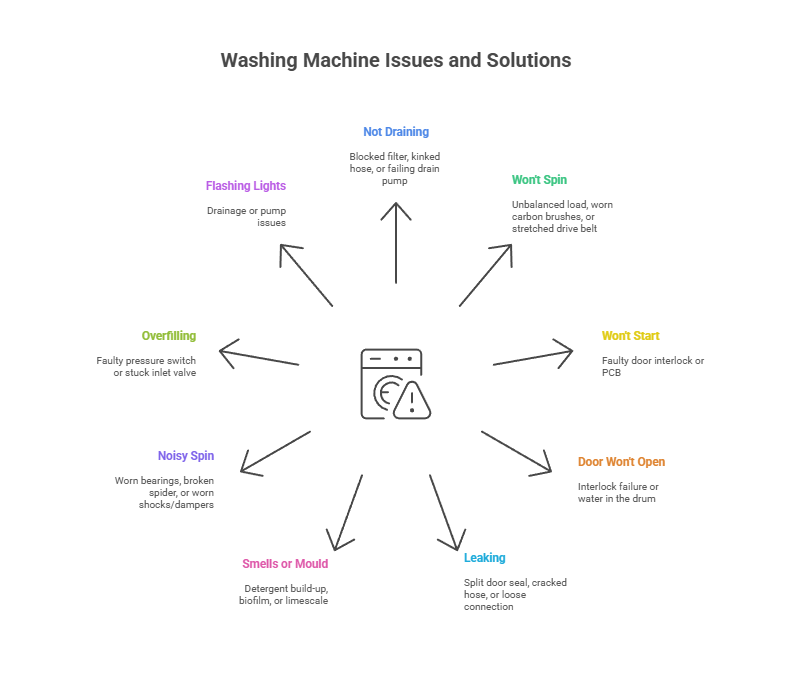
Unusual Noises
Listen for these red flags:
• Grinding: Worn drum bearings (common in front-loaders)
• Banging/thumping: Unbalanced load or failing shocks
• Squealing: Worn belt or pulley
Address noise early, especially grinding, which often means the tub assembly is failing.
Water Leaks
Puddles under the machine signal trouble:
• Front leak: Damaged door gasket or dispenser
• Back leak: Cracked inlet hose or loose connection
• Bottom leak: Clogged or failing drain pump
Inspect hoses annually and replace every 5 years, even if they look fine.
Error Codes and Cycle Failures
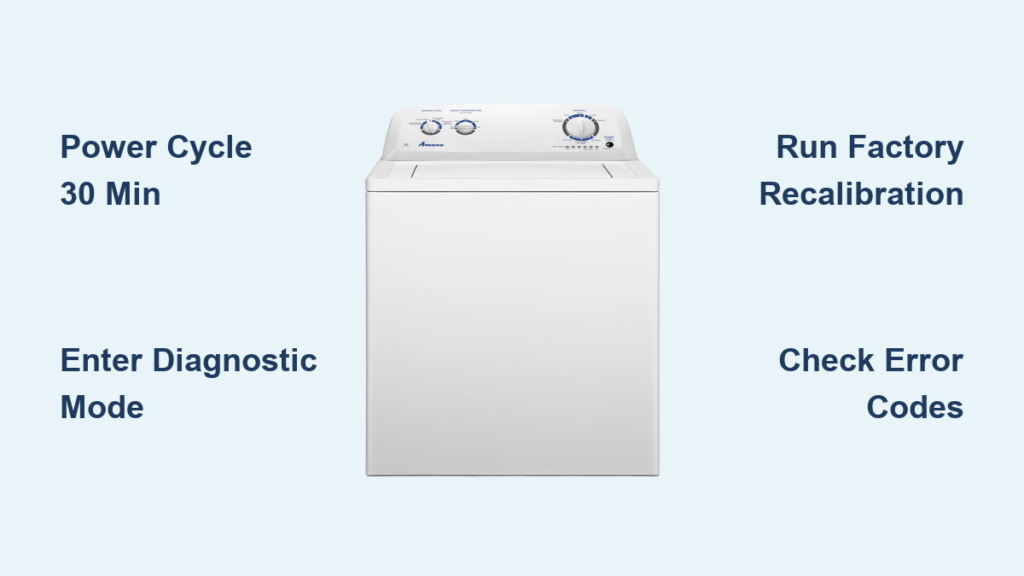
Modern washers display error codes for issues like unbalanced load, drain failure, or water level sensor problems. Recurring codes often point to failing sensors or control boards. If the machine stops mid-cycle frequently, it may be nearing end-of-life.
Excessive Vibration or Walking
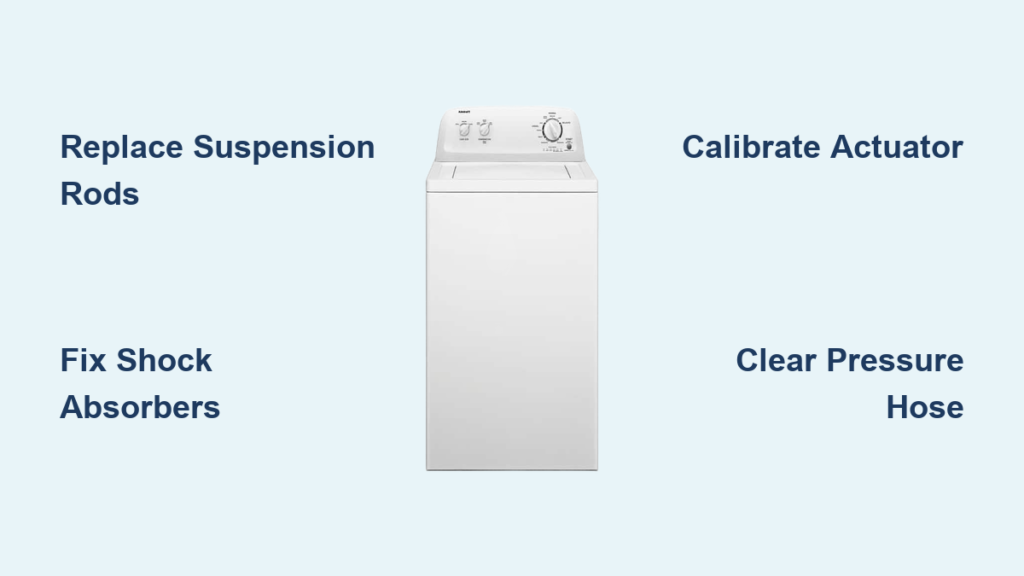
If your washer shakes violently or moves across the floor, check the leveling feet, inspect shock absorbers and suspension springs, and ensure the shipping bolts were removed if the machine is new. Persistent vibration damages internal components and flooring.
Final Thoughts on Maximizing Your Washing Machine Lifespan
With proper care, most washing machines should last 10–14 years. But how you use, maintain, and respond to problems determines whether yours reaches the finish line or leaves you stranded with a pile of dirty laundry.
To maximize longevity, follow these key practices:
• Run monthly cleaning cycles with vinegar or a dedicated cleaner
• Clean the pump filter every 2–3 months
• Use HE detergent and only the recommended amount
• Keep the machine level and in a dry, stable environment
• Never overload the drum
Choose the right machine for your needs. For maximum durability, consider Speed Queen or Miele. For a balance of cost and reliability, look at Maytag, Bosch, or Simpson. Avoid budget brands with plastic tubs for long-term use.
Know when to let go. If your washer is over 10 years old and needs a major repair, replacement is usually the smarter financial move. New models offer better efficiency, quieter operation, and advanced features that justify the upgrade.
Frequently Asked Questions About Washing Machine Lifespan
What is the average lifespan of a washing machine?
The average lifespan of a residential washing machine ranges from 10 to 14 years. Budget models may fail around 7 years, while premium brands with excellent maintenance can last 15 to 25 years.
Which type of washing machine lasts longer, front-load or top-load?
Top-load washers typically last longer, averaging about 14 years compared to 11-12 years for front-loaders. Top-loaders have simpler mechanics and fewer complex seals, making them easier to repair and less prone to mold issues.
How often should I replace my washing machine?
Replace your washing machine when it reaches 10+ years old and needs a major repair, or when repair costs exceed 50% of a new unit’s price. Older machines also become less efficient, costing more to operate.
Which brand of washing machine lasts the longest?
Speed Queen is known for the longest lifespan, engineering machines for 25 years of use. Miele is the next most durable, with owners averaging 9.4 years before their first major fault.
Does hard water shorten washing machine lifespan?
Yes, hard water significantly shortens lifespan by causing mineral buildup in hoses, pumps, and heating elements. Installing a water softener or running monthly descaling cycles helps prevent this damage.
Can regular maintenance really extend my washing machine’s life?
Yes, regular maintenance is the most effective way to extend washing machine life. Monthly cleaning cycles, quarterly filter cleaning, and proper detergent use can add 3-5 years to your machine’s lifespan.