If you’ve ever wondered why your clothes come out soaking wet or how long the spin cycle actually lasts, you’re not alone. The spin cycle on a washing machine typically runs from 2 to 12 minutes, depending on the selected program, load type, and machine settings. While the average spin phase lasts around 3 minutes, high-speed extraction for bulky items like towels or bedding can extend up to 12 minutes. Understanding these variations helps you optimize laundry efficiency, reduce drying time, and protect delicate fabrics.
In this guide, you’ll learn exactly how long spin cycles last across different wash programs, what factors influence their duration, and how to troubleshoot common issues when clothes remain too wet. Whether you’re refreshing a single garment or tackling a heavy-duty load, knowing how your washer’s spin function works can save time, energy, and frustration.
How Long Do Standard and Heavy-Duty Spin Cycles Last
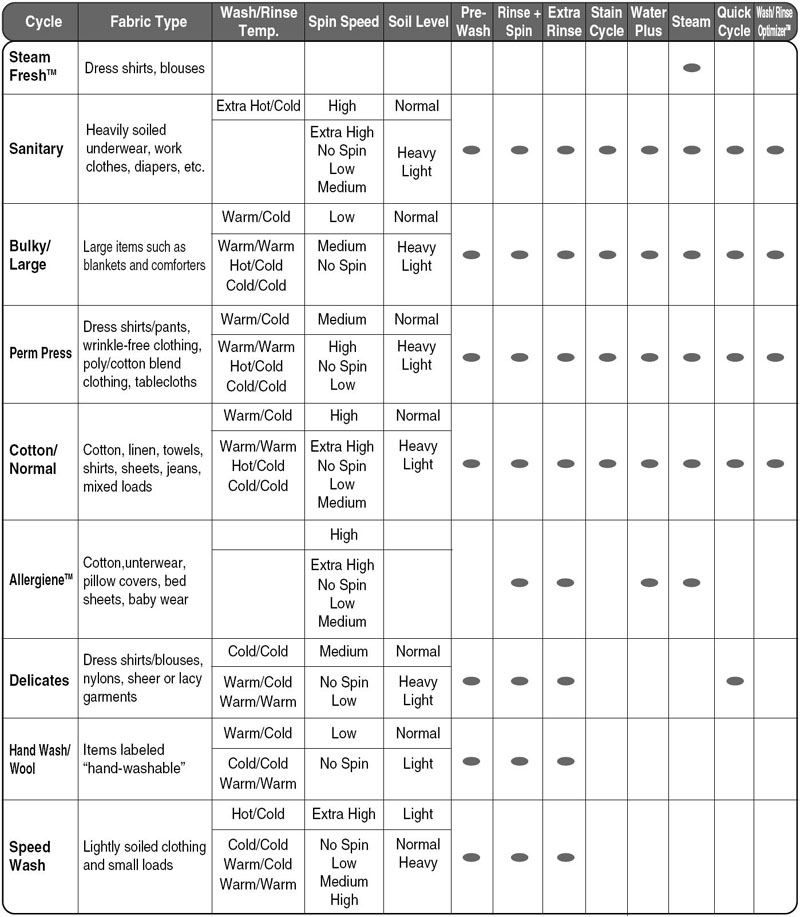
Most everyday laundry loads run on the “Normal” or “Mixed” cycle, which balances cleaning power with fabric safety. These standard programs are designed for cottons, synthetics, and blended fabrics.
Normal Cycle Spin Duration
The spin phase in a Normal cycle typically lasts 5 to 8 minutes. During this time, the drum rotates at speeds between 1,000 and 1,400 RPM, extracting a significant amount of moisture. This reduced dampness cuts drying time by up to 30% compared to air-drying alone. The exact duration depends on the model and load balance, as some machines adjust spin length automatically if the load shifts during acceleration.
Heavy-Duty and Cotton Cycle Spins
For thicker fabrics like denim, towels, or bed sheets, Heavy-Duty and Cotton cycles use longer, high-speed spins of 8 to 12 minutes. These programs leverage maximum RPM (often 1,400+) to wring out as much water as possible. Though the spin takes longer, it’s efficient: drier clothes mean shorter dryer runs, saving energy over time. Cotton Eco programs at 40°C also utilize faster spin speeds to compensate for lower wash temperatures, with the spin portion lasting close to 10 minutes.
Does Water Temperature Affect Spin Time
Not directly, but it influences the overall cycle logic. Cold washes may trigger extra rinses if detergent doesn’t dissolve fully, indirectly extending the path to the spin phase. Eco modes compensate for lower temperatures with longer wash times and often pair them with faster or slightly longer spins to maintain drying efficiency without heat.
Gentle Spin Times for Delicate Fabrics
Protecting fragile fabrics is key in cycles designed for silks, lace, wool, and other sensitive materials. These programs limit both speed and duration to prevent damage.
Delicates and Hand Wash Spin Duration
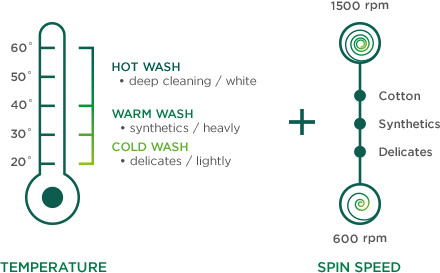
On Delicate or Hand Wash settings, the spin lasts just 3 to 5 minutes at reduced RPM (usually 600 to 800). Some models skip the final high-speed spin entirely, leaving clothes very damp but crease-free. This mimics hand-wringing and is ideal for garments labeled “lay flat to dry.” Always check your care labels, as running a delicate item on a high-spin cycle can stretch or distort the fabric.
Wool and Synthetic Cycle Spins
Wool programs follow similar logic: a gentle 3 to 5 minute spin at low speeds ensures fibers aren’t stressed. Synthetic and Easy Care cycles also use moderate spin durations (5 to 8 minutes) but at lower RPM than cotton settings to avoid permanent creasing in polyester or nylon blends. Sportswear cycles often fall into this range, using optimized acceleration profiles to protect technical fabrics while still removing sweat and moisture effectively.
Fast Solutions: Quick Wash and Utility Spin Cycles

When you need fast results or just want to remove water without a full wash, utility cycles offer targeted solutions with predictable spin lengths.
Quick Wash Spin Time
A Quick Wash (15 to 30 minutes total) includes a brief spin phase of 2 to 5 minutes. Since these cycles are meant for lightly soiled loads, the spin is fast but effective. However, because the wash and rinse phases are shortened, water extraction may not be as thorough. Expect clothes to be slightly wetter than after a standard cycle.
Rinse and Spin Total Time
The Rinse and Spin cycle takes 15 to 25 minutes total. It adds fresh water to rinse detergent residue, then ends with a full-speed spin. This is perfect for removing excess soap from sensitive skin, refreshing clothes worn once, or hand-washed items needing mechanical water extraction. The spin portion itself is typically 5 to 8 minutes, depending on load size and selected speed.
Spin Only and Drain and Spin Functions
Spin Only lasts approximately 10 minutes and is ideal for extracting water from hand-washed garments. No water is added, just spin. Drain and Spin is also around 10 minutes. It drains standing water and spins the load, used when a cycle was interrupted or for wet items that don’t need rinsing. Unlike other programs, Spin Only does not support delay timers, as this prevents wet clothes from sitting in the drum and developing odors.
What Affects How Long Your Washer Spins
Several variables determine how long the spin cycle runs beyond the preset program. Understanding them helps diagnose issues and optimize performance.
Spin Speed (RPM) and Duration Relationship
Higher RPM means better water extraction but often a slightly longer cycle. Machines take extra seconds to safely accelerate to 1,400 RPM and stabilize the load. Lower speeds (e.g., 600 RPM) complete faster but leave clothes wetter. You can often adjust spin speed via a button, unless the program locks it (like Wool or Delicate).
Higher RPM correlates with longer spin duration but significantly drier clothes. Selecting the highest suitable speed removes the most water and reduces dryer workload.
Load Balance and Machine Response
An unbalanced load is the top reason spin cycles fail or shorten. If heavy items (like a single towel or jeans) clump to one side, the machine detects vibration and may reduce spin speed, extend the redistribution phase, or skip high-speed spinning altogether. The result is dripping wet clothes. To prevent this, distribute items evenly, avoid washing one large item alone, and don’t overload the drum.
Transition and Cool Down Phases
Before the high-speed spin begins, there’s usually a 1 to 3 minute transition period. This isn’t idle time. It’s when water drains from the tub, the drum slows from tumbling to prepare for acceleration, and sensors assess load distribution. If the machine senses imbalance, it may pause multiple times to reposition the load, extending the total cycle time.
Fixing Wet Clothes: Why Your Spin Cycle Isn’t Working
Finding soaked clothes at the end of a cycle is frustrating but often fixable. Here’s how to diagnose why the spin didn’t work properly.
Common Causes of Soaking Wet Clothes
An unbalanced load is the most common cause. Uneven weight distribution forces the machine to spin slowly or skip high speeds. Excess suds create foam, which machines detect as a flood risk. They may cancel the high-speed spin to prevent overflow. Incorrect or locked settings (some programs default to “No Spin” or low-speed spin) also cause this issue.
How to Fix Each Problem
For unbalanced loads, redistribute laundry evenly and mix large with small items. Never wash a single blanket or pair of jeans alone. For excess suds, run a Drain and Spin or Rinse and Spin cycle. Use HE detergent and follow dosage instructions. For incorrect settings, check your display and manually increase spin speed before starting. Note that Wool or Delicate programs may not allow changes.
When to Call a Professional
If the drum doesn’t spin at all, check the door or lid lock (must be fully closed). Inspect the drain filter for clogs and clean it every 1 to 3 months. Listen for unusual noises. Worn belts or faulty sensors need professional repair.
How to Adjust Spin Speed on Your Washing Machine
Modern washers give users control over spin speed, even if the total time adjusts accordingly.
Changing Spin Speed Manually
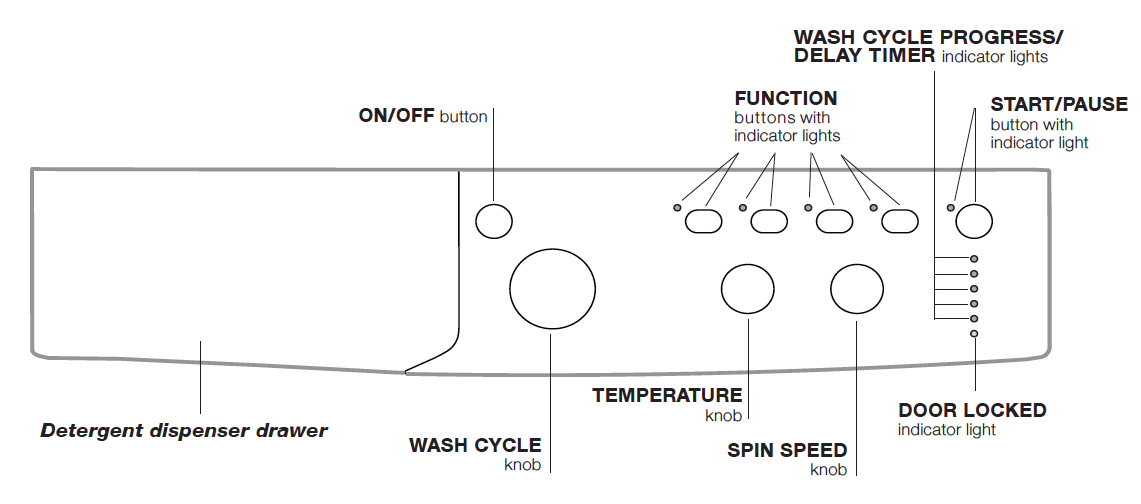
Most machines have a Spin Speed button that lets you override defaults. Press it to cycle through options. High (1,200 to 1,400 RPM) is best for cottons and towels. Medium (800 to 1,000 RPM) works well for mixed loads. Low (600 to 800 RPM) is safer for delicates. No Spin prevents creasing but leaves clothes very wet.
Selecting “No Spin” removes the extraction phase entirely. Only use this setting for fabrics that must not be wrung.
Delay Timer Limitations
Delay timers do not work with Spin Only cycles. This safety feature prevents wet clothes from sitting in the drum for hours, which could lead to mildew or foul odors. Use delay start only for full wash programs.
Getting the Most Out of Your Spin Cycle
Smart spin use improves cleaning, reduces energy bills, and extends clothing life.
Save Drying Time with High-Speed Spins
Every extra minute of high-speed spinning reduces dryer workload. Clothes spun at 1,400 RPM come out significantly drier than those at 800 RPM, sometimes eliminating the need for a dryer altogether. Prioritize high spin speeds for cottons, linens, and towels.
Prevent Damage with Proper Settings
Using too high a spin on delicate fabrics causes stretching, pilling, and fiber breakdown. Stick to 3 to 5 minute, low-RPM spins for silks, lace, and knits. When in doubt, consult garment care labels.
Maintenance Tips for Reliable Spinning
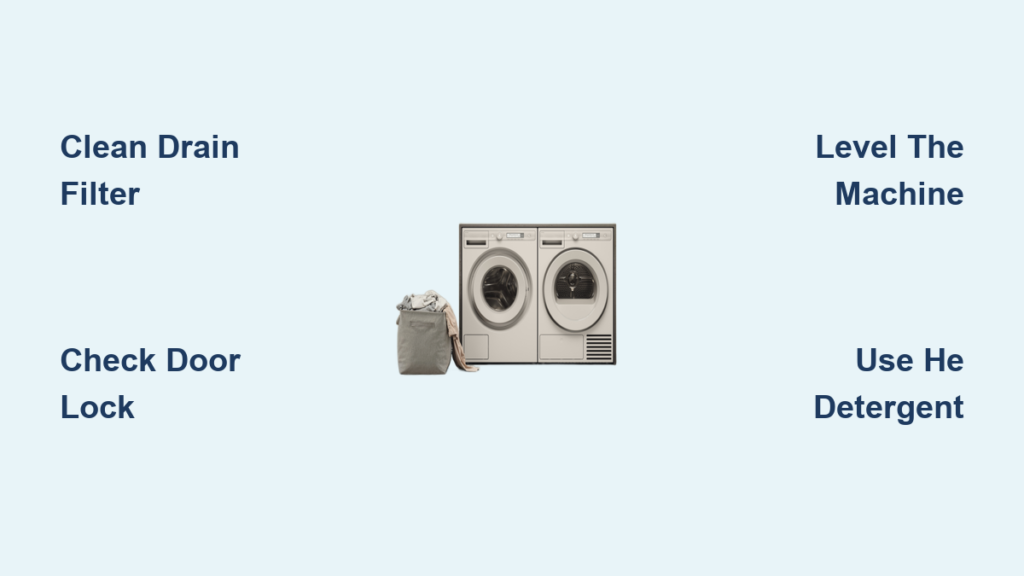
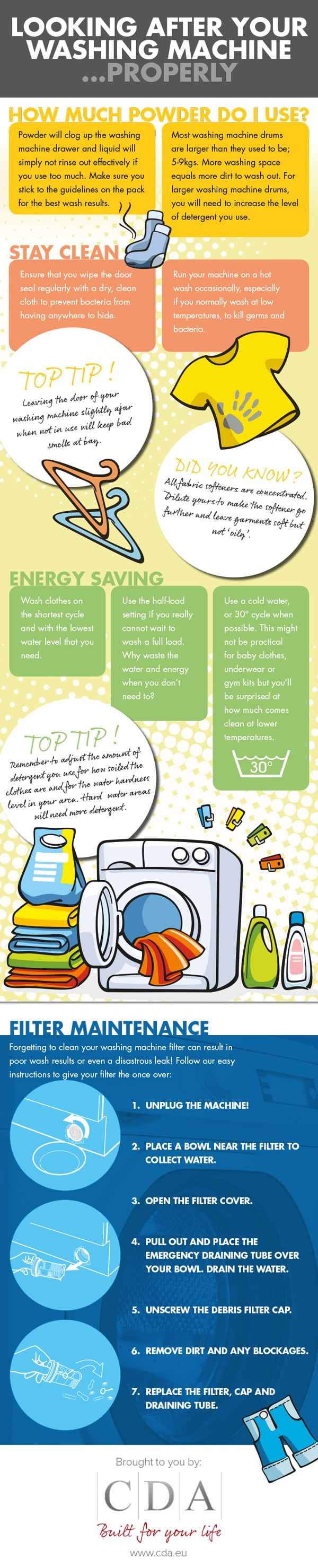
Keep your spin cycle effective with routine care. Clean the drain filter monthly because clogs prevent proper drainage and halt the spin. Use the correct detergent amount, as oversudsing triggers cycle interruptions. Level the machine because an uneven washer vibrates excessively and may abort high-speed spins. Avoid overloading because crowded drums can’t balance properly.
Key Takeaways for Washing Machine Spin Times
The spin cycle on a washing machine usually lasts 2 to 12 minutes, with most standard programs spinning for 5 to 8 minutes. Delicate cycles shorten this to 3 to 5 minutes, while heavy-duty loads may spin up to 12 minutes for maximum dryness. Utility functions like Spin Only (approximately 10 minutes) and Rinse and Spin (15 to 25 minutes) serve specific needs like refreshing clothes or removing water without washing.
To get the best results, match the spin setting to your fabric type, distribute loads evenly, use correct detergent amounts, and maintain your machine regularly. By understanding how long spin takes and what affects it, you’ll reduce drying time, prevent damage, and keep your laundry running smoothly.
Frequently Asked Questions About Washing Machine Spin Times
How long does the average spin cycle last on a washing machine?
The average spin cycle lasts approximately 3 minutes, though most standard programs run between 5 and 8 minutes. Quick wash cycles can be as short as 2 minutes, while heavy-duty spins for towels and bedding may extend to 12 minutes.
Why does my spin cycle sometimes take longer than usual?
Your machine may extend the spin if it detects an unbalanced load, excessive suds, or needs extra time to reach high speeds. Smart machines automatically adjust duration to ensure effective water extraction while protecting the motor from vibration damage.
Can I use the spin only function for all laundry?
Spin Only works best for hand-washed items or wet clothes that need water extraction without washing. It takes approximately 10 minutes and doesn’t support delay timers. Avoid using it for heavily soiled items that need cleaning.
What’s the difference between Rinse and Spin and Drain and Spin?
Rinse and Spin adds fresh water to rinse detergent residue, then spins (15 to 25 minutes total). Drain and Spin doesn’t add water, it only drains existing water and spins (approximately 10 minutes). Use Rinse and Spin for soapy items and Drain and Spin for wet clothes from an interrupted cycle.
Why are my clothes still wet after the spin cycle finishes?
An unbalanced load is the most common cause. Redistribute clothes evenly and avoid washing single large items. Other causes include excess detergent suds, incorrect spin settings, or a clogged drain filter. Check these before calling a repair technician.
Does higher spin speed always mean longer cycle time?
Yes, typically. Higher RPM requires more time to safely accelerate and stabilize the load. However, the trade-off is significantly drier clothes and reduced dryer time. A 1,400 RPM spin may take 8 to 12 minutes but can cut drying energy costs substantially.