Your washing machine works hard to keep your clothes fresh, but it can quietly become a breeding ground for mold, bacteria, and soap residue if you neglect its maintenance. Over time, detergent buildup, hard water minerals, and trapped moisture create the perfect environment for odors and reduced cleaning efficiency. Understanding how often to clean washing machine components is essential for hygiene, appliance longevity, and truly clean laundry.
This guide provides a complete maintenance schedule based on your usage level, machine type, and warning signs. You’ll learn exactly when to deep clean, which parts need weekly attention, and how to prevent buildup between cleanings.
Monthly Deep Clean Schedule
A thorough internal cleaning prevents odor buildup, maintains performance, and extends your washing machine’s lifespan. Most households benefit from a deep clean every four to six weeks, though your specific schedule depends on how frequently you do laundry.
Target Frequency by Usage Level
The standard recommendation is a deep clean every 30 to 40 wash cycles or once monthly, whichever comes first. However, adjust based on your household’s laundry volume.
- Light use (1-2 loads weekly): Clean every 2-3 months, but never exceed 90 days between cleanings
- Average use (3-4 loads weekly): Deep clean every three months
- Heavy use (5+ loads daily): Clean monthly without exception
Households with pets, active individuals, or young children generate more sweat, dirt, and organic matter in each load. This increased load on the machine requires more frequent sanitization to prevent bacterial growth.
Why Time Matters More Than Load Count
Even if you rarely use your washing machine, stagnant moisture inside the drum promotes mold growth within 30 days. Always prioritize the monthly schedule over load counting if your machine sits idle for extended periods. High-efficiency machines are particularly vulnerable since they use less water, leaving less opportunity for self-flushing.
Immediate Cleaning Triggers
Certain warning signs demand urgent action regardless of your cleaning schedule. Addressing these problems immediately prevents permanent damage and protects your family’s health.
Musty Odors and Sour-Smelling Clothes
If clean clothes emerge from the wash smelling damp or mildewy, biofilm has developed inside the drum or behind the rubber seal. This bacterial growth thrives in dark, moist environments and requires immediate treatment with a hot cleaning cycle using bleach or a commercial washing machine cleaner.
Visible Mold on Door Seals
Black specks or dark patches along the rubber gasket indicate established mold colonies. Front-loaders are especially prone to this issue due to the moisture-trapping design of the door seal. Wipe affected areas with a vinegar solution and run a hot cycle immediately.
Slow Draining or Standing Water
Water remaining in the drum after the spin cycle signals a clogged drain pump filter or blocked drain hose. This condition can lead to overflow, leaks, or motor damage if ignored. Check and clean the filter promptly.
Residue on Clean Clothes
Stiff, dingy, or lint-covered clothes after washing indicate your machine isn’t rinsing properly. Excess detergent, mineral deposits, or a clogged dispenser leave behind film that transfers to fabrics during each cycle.
Front-Loader Cleaning Protocol

Front-loading washers require specialized care due to their sealed design and moisture-trapping rubber gasket. Without consistent attention, these machines develop mold and odors faster than top-loaders.
Weekly Gasket Maintenance
The rubber door seal is the primary trouble spot in front-loaders. After every wash, wipe the gasket dry with a microfiber cloth. Weekly, spray a 1:1 mixture of distilled white vinegar and water into all folds, let it sit for one minute, then wipe clean. Ensure the seal is completely dry before closing the door.
For stubborn black mold spots, apply a paste of baking soda and water, scrub gently with an old toothbrush, and wipe clean. Avoid abrasive pads that scratch the rubber surface and create new crevices for grime to collect.
Monthly Bleach Deep Clean
Liquid chlorine bleach effectively kills bacteria and mold. For a monthly deep clean, pour half a cup of bleach directly into the detergent compartment (not the separate bleach dispenser). Select the hottest and longest cycle available, such as “Clean Washer” or “Tub Clean,” and start the machine immediately. Never leave bleach sitting idle in the dispenser as it can damage plastic components.
Important safety note: Never mix bleach with vinegar or ammonia. This combination creates toxic chlorine gas. Always run a rinse cycle after using bleach to remove all residue.
Drain Pump Filter Maintenance Every 2-3 Months
The drain pump filter catches coins, hair, lint, and small debris. When clogged, it causes poor drainage and foul odors.
- Turn off the machine and unplug it
- Locate the access panel at the bottom front
- Place a shallow pan beneath the drain cap
- Unscrew the cap slowly to release residual water
- Remove the filter and rinse under hot water
- Soak in a solution of hot water, one cup vinegar, and dish soap for ten minutes
- Scrub with a toothbrush and reinstall securely
Perform this maintenance every two to three months, or monthly if you frequently forget to empty pockets before washing.
Detergent Drawer Care
Remove the detergent drawer weekly if you notice residue buildup. Soak it in warm, soapy water, scrub compartments with a toothbrush, especially where fabric softener collects, then rinse and dry thoroughly before reinserting. Avoid gel-based fabric softeners as they leave a waxy film that’s difficult to remove.
Top-Loader Cleaning Protocol
Top-loading machines don’t have rubber seals, but they accumulate grime in the drum, agitator, and dispensers. Cleaning approach varies by model type.
Agitator and Impeller Care
Traditional top-loaders with a central agitator develop grime under the cap and around the base. Remove the cap (usually by snapping or unscrewing), soak the agitator parts in a sink with hot water, one cup vinegar, and half a cup of baking soda, then scrub and rinse before reassembling.
High-efficiency top-loaders with a low-profile impeller can trap lint and residue beneath the disc. Locate the center bolt (often under a cap), remove it, lift the impeller, soak in hot vinegar water for 30 minutes, scrub the underside, and reattach.
Sequential Vinegar and Baking Soda Cycles

Never mix vinegar and baking soda in the same cycle as they neutralize each other’s cleaning properties. Instead, run a two-step process.
First, set your machine to the highest water level and hottest temperature. Add four cups of white vinegar directly to the tub. Start the cycle, wait a few minutes for the water to fill, then pause the machine and let the solution soak for one hour. Resume and complete the cycle.
Second, add one to one and a half cups of baking soda directly to the drum and run another hot wash cycle. This sequential approach removes mineral scale, deodorizes, and lifts accumulated grime.
Fabric Softener and Bleach Dispenser Cleaning
These compartments often clog with waxy buildup. Remove removable trays and soak in warm, soapy water. Use a toothbrush to scrub all compartments thoroughly. For non-removable dispensers, spray with vinegar and scrub with a brush, then run an extra rinse cycle monthly to flush residue.
Best Cleaning Agents Compared
Choosing the right cleaning product affects effectiveness, machine safety, and cost. Both commercial and natural options have their place in a maintenance routine.
Commercial Cleaners: Affresh, OxiClean, Tide
Commercial washing machine cleaners contain enzymes specifically formulated to break down organic sludge, soap scum, and mineral deposits. They sanitize effectively and kill 99.9% of bacteria and mold.
Advantages:
– Enzymes break down tough grime that natural acids cannot
– Work effectively in cold water
– Pre-measured tablets or pouches simplify dosing
– More effective against established mold colonies
Usage: Drop one tablet into the drum (top-loader) or detergent drawer (front-loader). Run the hottest cycle available.
Best for: Monthly deep sanitization, heavy buildup removal, and households with allergy sufferers.
White Vinegar: Natural Descale Option
Distilled white vinegar acts as a mild acid that dissolves mineral deposits and cuts through soap residue. It’s effective for light buildup and odor control in hard water areas.
Limitations:
– Less effective against bacteria and heavy organic sludge
– Overuse can degrade rubber seals and hoses over time
– Requires longer soak times for effectiveness
Usage: Add two cups to the detergent compartment (front-loader) or four cups directly to the tub (top-loader). For best results, pause the cycle to allow a one-hour soak.
Note: Some manufacturers void warranties if vinegar is used regularly. Check your owner’s manual first.
Baking Soda: Deodorizer and Mild Abrasive
Baking soda neutralizes odors and helps lift dirt. It’s best used after a vinegar cycle or alone for light freshening.
Usage: Add half to one and a half cups directly to the drum, depending on buildup severity.
Important: Never combine vinegar and baking soda in the same cycle. The chemical reaction neutralizes both, rendering them ineffective.
Component-Specific Maintenance Schedule
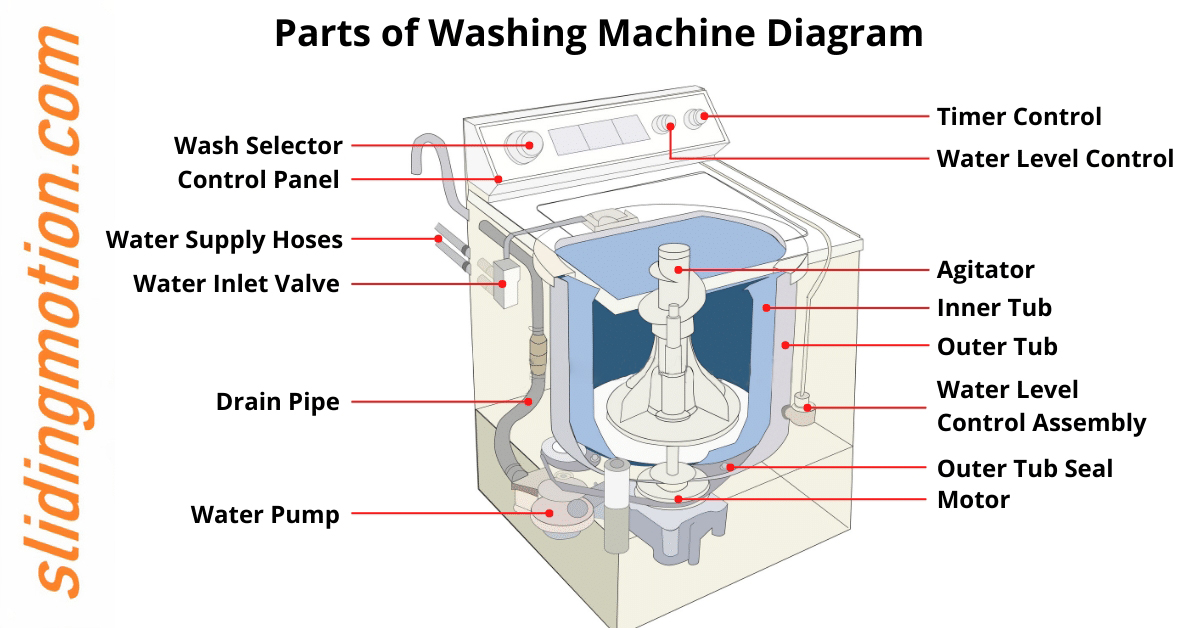
Each part of your washing machine has unique maintenance needs. Targeting these components individually prevents breakdowns and maintains peak performance.
Detergent Drawer: Weekly Cleaning
The dispenser drawer accumulates waxy residue from fabric softeners and clumped detergent. Remove the drawer completely if your model allows, soak in warm soapy water, scrub all compartments with an old toothbrush, then rinse and dry thoroughly before reinserting.
For models with non-removable drawers, spray with vinegar solution weekly and scrub with a brush to prevent buildup.
Drain Pump Filter: Every 2-3 Months
This filter prevents debris from entering the drain system. Clean it every two to three months for average users, or monthly if you wash pet bedding, work clothes, or frequently forget to empty pockets.
Signs that indicate immediate filter cleaning include slow drainage, unusual vibrations during spin cycles, or water remaining in the drum after completion.
Door and Lid: Leave Open After Every Use
Moisture is the enemy of washing machine hygiene. Always leave the door or lid open after each cycle to allow air circulation and complete drying.
For front-loaders, prop the door ajar two to three inches. For top-loaders, keep the lid raised until the drum feels completely dry to the touch.
Exterior and Leveling: Monthly Check
Wipe down the control panel and exterior casing with a damp cloth. Avoid harsh chemicals that can damage finish or controls.
Check machine leveling monthly. An unbalanced machine “walks” or vibrates excessively, causing premature wear on bearings and suspension. Adjust the feet with a wrench until the machine sits flat and stable.
Daily Habits to Reduce Cleaning Frequency
Preventative habits minimize buildup and extend the time between deep cleanings, saving you effort and protecting your machine.
Remove Laundry Promptly
Damp clothes left in the drum breed bacteria and transfer odors. Remove laundry within two hours of cycle completion. Set a phone reminder if needed to develop this habit.
Avoid Overloading
Overfilling prevents proper tumbling and rinsing, trapping detergent and soil that then transfers back into the machine. Leave a hand-width gap at the top of the drum for optimal cleaning action.
Use Correct Detergent Amounts
More detergent does not mean cleaner clothes. Excess suds don’t rinse away and create buildup inside the machine. Follow the HE detergent cap markings based on your load size and water hardness.
Consider Fabric Softener Alternatives
Liquid fabric softeners leave a waxy coating that attracts dirt and feeds bacteria. Switch to wool dryer balls (reusable and residue-free), or add half a cup of vinegar to the rinse cycle to reduce static without buildup.
Run Hot Cycles Periodically
Cold water conserves energy but doesn’t sanitize. Run a hot water cycle monthly, even without detergent, to kill bacteria and dissolve grease. Use the “Sanitize” cycle setting if available for towels, bedding, and workout clothes.
Troubleshooting Persistent Problems
Sometimes routine cleaning isn’t enough. Recognize when professional help is needed.
Odors Return Quickly After Cleaning
If musty smells return within weeks of a thorough clean, the problem may lie deeper in internal hoses or behind the drum. A technician may need to disassemble and flush internal lines.
Recurrent Mold Growth
Mold that keeps returning suggests poor ventilation or a hidden water leak. Ensure the laundry room has adequate airflow. Check for leaks around the door seal or supply hoses.
Unusual Noises or Leaks
After cleaning the filter, if the machine makes loud banging sounds during spin cycles or leaks persist, internal components may be damaged. Stop using the machine and contact a professional.
Filter Won’t Reinstall Properly
If the filter is stripped or won’t tighten securely, it may need replacement. A loose filter causes leaks and drainage problems. Order a manufacturer-approved replacement part.
Frequently Asked Questions About Washing Machine Cleaning
How often should I run a cleaning cycle on my washing machine?
Run a deep cleaning cycle every 30 to 40 wash loads, or once per month, whichever comes first. For light users doing only one or two loads weekly, a cleaning every two to three months is acceptable, but never exceed 90 days between cleanings.
Can I use vinegar to clean my washing machine every week?
Weekly vinegar wipes on the door seal are fine, but avoid weekly vinegar cycles in the drum. Frequent exposure to acid can degrade rubber seals and hoses over time. Use vinegar for deep cleaning no more than once monthly, and consider alternating with commercial cleaners.
Why does my front-loader smell even after cleaning?
Persistent odors usually indicate mold growing in the rubber door seal gasket or a clogged drain pump filter. Clean the gasket folds thoroughly with vinegar, check and clean the filter, and ensure you leave the door open between loads to allow drying.
Should I clean my top-loader differently than a front-loader?
Yes. Top-loaders don’t have rubber seals but require attention to the agitator or impeller and dispensers. Use a vinegar soak followed by a baking soda cycle for deep cleaning, rather than the bleach method recommended for front-loaders.
What happens if I never clean my washing machine?
Neglected machines develop mold, bacteria, and soap scum that transfer to clothes, causing skin irritation and allergic reactions. Performance declines as drainage clogs and components wear faster. The machine’s lifespan shortens significantly without regular maintenance.
Key Takeaways for Maintaining a Clean Washing Machine
Consistent maintenance keeps your washing machine hygienic, efficient, and long-lasting. The core rule is simple: deep clean every month or every 30 to 40 loads, whichever comes first. Wipe the door seal after every wash, clean the detergent drawer weekly, and clear the drain pump filter every two to three months.
Address warning signs immediately. Musty odors, visible mold, slow drainage, or residue on clothes signal that your machine needs attention regardless of your schedule. The cost of a few minutes of maintenance is far less than repairs or premature replacement.
Adopt daily habits that prevent buildup. Leave the door open after use, remove laundry promptly, use the correct detergent amount, and run occasional hot cycles for sanitization. These small actions dramatically reduce the frequency of deep cleaning while keeping your machine performing at its best.